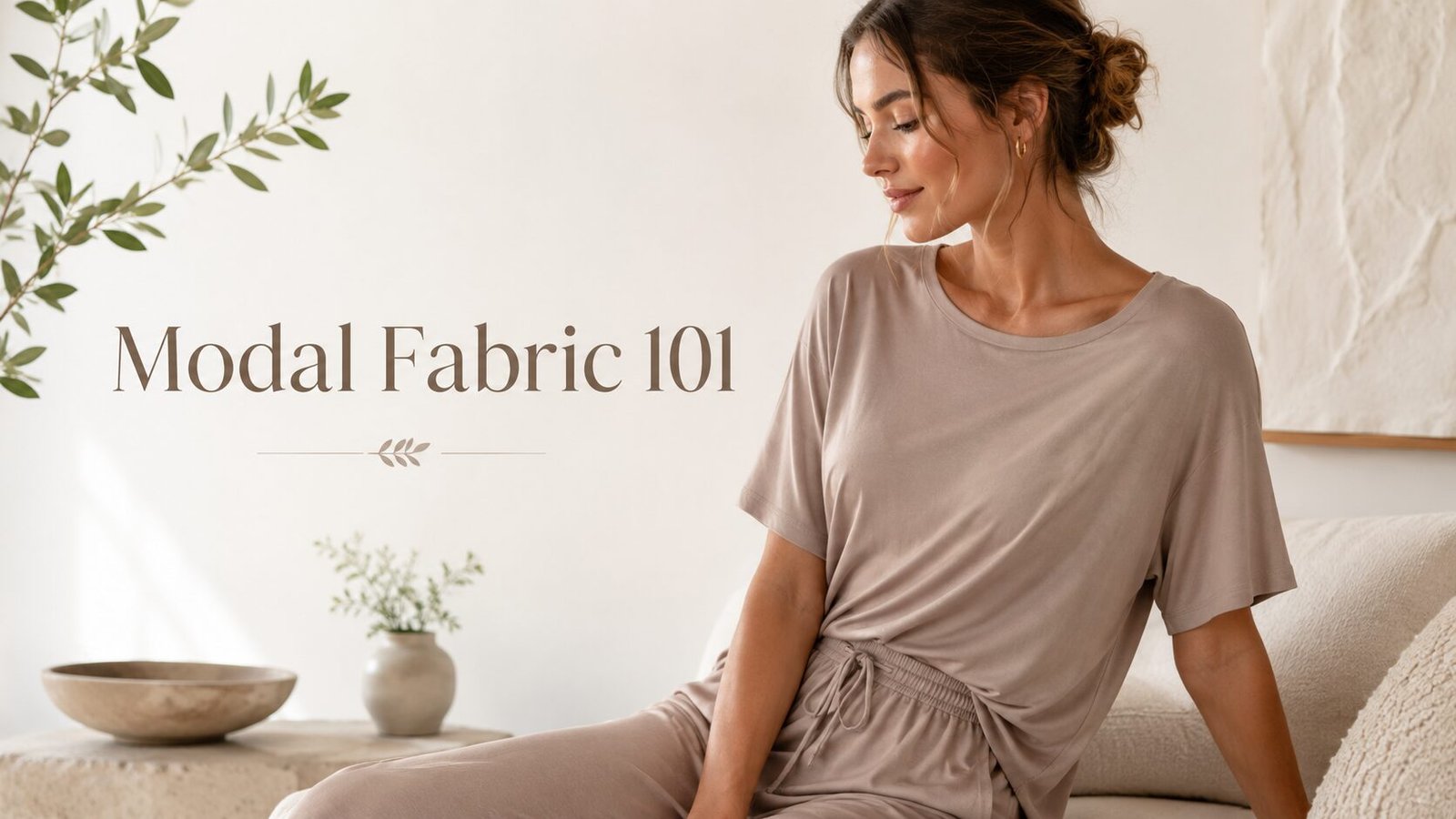
Modal fabric has become a popular choice for clothing brands that want soft, breathable, and comfortable everyday pieces. It works especially well for loungewear, underwear, sleepwear, T-shirts, tank tops, and lightweight women’s apparel because it feels smooth on the skin and gives garments a relaxed drape.
If you are developing a comfort-focused collection, you need to understand how modal performs in real production. This helps you choose the right fabric, control fit issues, and avoid problems before sampling or bulk production.
What Is Modal Fabric?
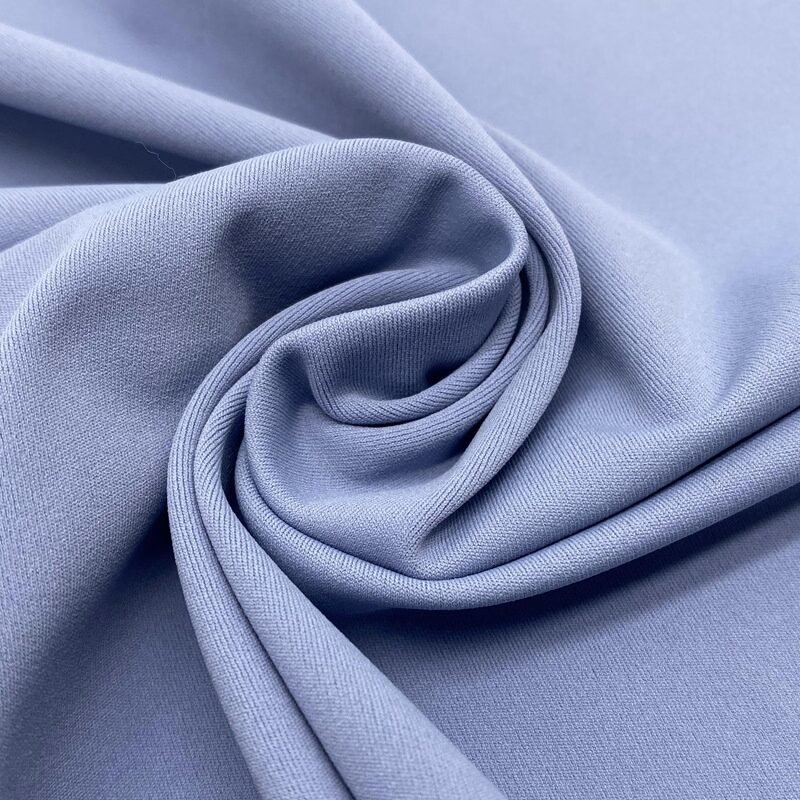
Modal is a semi-synthetic fabric that comes from cellulose, usually derived from beech wood pulp. It belongs to the same general family as viscose and lyocell, but many clothing brands choose modal for its smoother hand feel, better drape, and stronger dimensional stability compared with standard viscose.
In apparel production, modal is rarely used in only one fixed way. It can be knitted into jersey, rib, interlock, or blended fabrics, and it is often combined with fibers such as cotton, spandex, polyester, or nylon.
Key Characteristics of Modal Fabric
Soft and Smooth Hand Feel
Modal stands out for its soft, smooth touch. Compared with regular cotton, it usually feels more fluid against the skin and gives close-fitting garments a gentler wearing experience.
It can also help simple everyday styles feel more premium without adding complex design details.
Comfortable Breathability
Modal fabric is breathable and comfortable for daily wear. It helps create lightweight garments that feel soft without feeling overly heavy. This is one reason many brands use modal for spring, summer, travel, and indoor comfort collections.
Excellent Drape
Modal has a naturally soft and fluid drape. Instead of holding a stiff or boxy shape, it falls smoothly on the body and creates a relaxed silhouette.
However, brands should be careful with styles that need strong structure. If the fabric feels too fluid, the finished garment may lose shape or look too clingy.
Better Stability Than Regular Viscose
Modal usually offers better shape stability and shrinkage resistance than standard viscose.
However, this does not mean modal garments will never shrink or deform. Proper fabric pre-treatment, washing tests, pattern adjustment, and production control are still necessary.
Common Modal Fabric Blends
Fabric suppliers often blend modal with other fibers to improve stretch, recovery, durability, structure, or cost efficiency. For clothing brands, the best choice depends on the garment type, target price point, fit requirement, and the final wearing experience.
Modal + Spandex
Modal-spandex blends work well for fitted garments because spandex adds stretch and recovery, while modal keeps the fabric soft against the skin. This combination helps the garment move with the body and return to shape after wear.
Modal + Cotton
Modal-cotton blends combine the softness and drape of modal with the familiar natural feel of cotton. As a result, the fabric feels softer than many standard cotton basics while still keeping a comfortable, everyday hand feel.
Modal + Polyester
Polyester can improve durability, help control cost, and make the fabric easier to care for. When suppliers balance the blend carefully, modal-polyester fabrics can still feel soft while offering better wear resistance.
Modal + Nylon
Nylon adds strength, smoothness, and better recovery. Therefore, modal-nylon blends work well for garments that need a sleek surface, a close fit, and better shape retention.
Modal Rib Knit
Modal rib knit is not a fiber blend. It is a fabric construction with a textured surface and natural stretch. Because of this structure, it works especially well for styles that need a closer fit without feeling too restrictive.
Modal Jersey
Modal jersey feels soft, smooth, and lightweight. In addition, it gives garments an easy drape, which makes it suitable for relaxed silhouettes and comfort-focused everyday pieces.
Modal vs Cotton, Viscose, Bamboo, and Tencel: What’s the Difference
Modal is often compared with cotton, viscose, bamboo, and Tencel because these fabrics are all used in soft, comfort-focused apparel. However, they do not perform the same in production or finished garments.
| Fabric | Material | Key Advantage | Limitation | Best Use for |
|---|---|---|---|---|
| Modal | Wood-based cellulose, usually from beech trees | Very soft, smooth, and comfortable against the skin | May be too fluid for structured garments | loungewear, underwear, pajamas, soft T-shirts, and fitted basics |
| Cotton | Natural cotton fiber | Natural, breathable | Feel less smooth and less drapey than modal | Casual basics, T-shirts, sweatshirts, and structured everyday apparel |
| Viscose | Wood pulp or plant-based cellulose | Soft, flowy, and cost-effective | More prone to shrinkage, wrinkling, and shape distortion | Best for flowy dresses, blouses, skirts, and lightweight fashion piece |
| Bamboo Viscose | Bamboo cellulose processed into viscose fiber | Soft and breathable with strong comfort appeal | Sustainability | Sleepwear, underwear, socks, babywear, and soft lounge pieces |
| Tencel Lyocell | Wood-based cellulose, commonly | Smooth, premium, and used for eco-conscious collections | Usually higher fabric cost | Premium basics, dresses, shirts, and higher-end casualwear |
What Clothing Is Modal Fabric Best For?
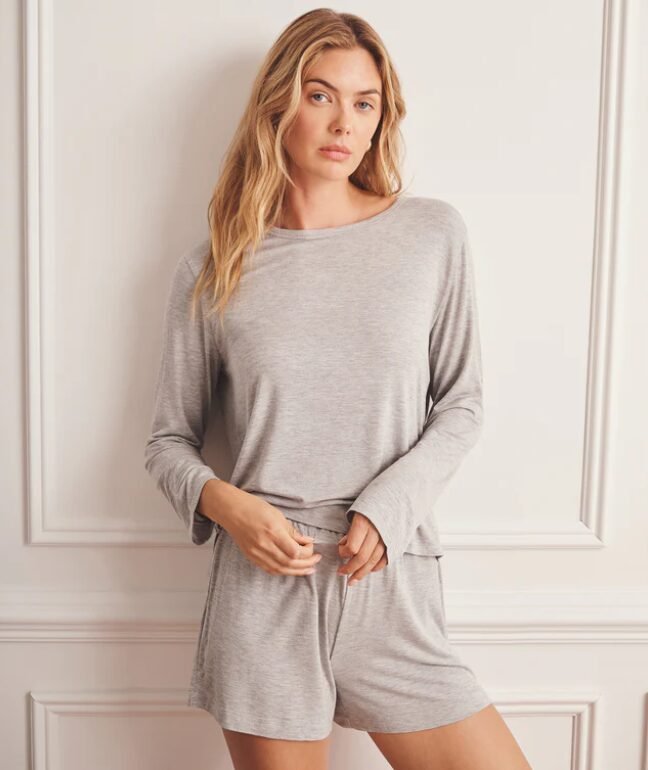
Modal works best in garments where comfort, softness, and a relaxed fit are part of the product value.
Loungewear
Modal is a strong option for lounge sets, soft pants, robes, relaxed tops, and homewear collections. It gives these pieces a more refined feel than basic cotton homewear, while still keeping the look casual and effortless.
Underwear and Base Layers
Modal fabric is commonly used for lingerie, bralettes, camisoles, bodysuits, and base layers. For these types of garments, a Modal-spandex blend is generally a better choice than 100% Modal, as it helps the clothing retain its shape after wear.
Sleepwear and Pajamas
For pajamas, the key to selecting Modal fabric lies in choosing the appropriate weight (GSM).
If the fabric is too thin, the garment may become too sheer or clingy. If it is too heavy, it may lose the relaxed feeling that customers expect from sleepwear.
T-Shirts and Tank Tops
Modal jersey and modal rib are popular choices for soft T-shirts, tank tops, and women’s basics. They are often used in minimalist collections, capsule wardrobes, and premium everyday appare
Dresses and Soft Women’s Apparel
Modal’s drape makes it suitable for casual dresses, slip-style silhouettes, wrap tops, soft skirts, and travel-friendly pieces. It can give simple designs a more elevated feel without adding too much structure.
FAQ
Made from beechwood cellulose, Modal is a highly excellent fabric that is durable, resistant to pilling and shrinkage, and possesses moisture-absorbing properties 50% greater than those of cotton.
Generally, yes. Due to the specialized harvesting of beechwood and the sophisticated spinning process, modal carries a higher per-yard cost than standard cotton.
Modal is significantly more resistant to pilling than cotton or traditional viscose. However, like all fine textiles, pilling can occur if the fabric is low-gsm or if it is subjected to high-heat drying.
Conclusio
Modal fabric is a strong option for clothing brands that want to create soft, breathable, and comfortable garments with a premium hand feel. The key is choosing the right blend, weight, and construction for your product.
At Joyclothings, we utilize high-quality Modal fabric to help you develop a premium loungewear collection. Leveraging our professional expertise, our team transforms your vision into reality in a stable and efficient manner.