Most of us wear casual clothing every day without giving it much thought. We put on a favorite pair of pants, a comfortable top, or a light jacket and get on with the day. But when asked to define exactly what “casual wear” means, the answer is not always so obvious.
That is because casual wear is not a fixed list of garments. The same shirt or pair of trousers can look relaxed in one setting and more polished in another. Much depends on how the garment is designed, how it fits, and where it is worn.
Understanding casual wear means looking beyond individual clothing items. It is more useful to ask what makes a garment feel appropriate for everyday life—and where casual clothing begins to overlap with other styles.
What Makes Clothing Casual?
A garment is not casual because of its name alone. A shirt, pair of trousers, or jacket can look relaxed or polished depending on how it is designed. Three elements usually have the greatest influence: fit, fabric, and construction details.
Relaxed, Wearable Fits
Casual clothing usually allows the body to move naturally. The garment may be regular, relaxed, or loosely cut, but it should not feel heavily structured or restrictive during everyday wear.。
A relaxed fit is also not the same as an oversized fit. Oversized clothing deliberately changes proportion through wider shoulders, extra volume, or added length. A relaxed fit simply gives the body more room without making the exaggerated silhouette the main feature.
Comfortable Everyday Fabrics
The tactile feel of a fabric determines how a garment hangs and how it behaves during a busy day. Casual wear relies heavily on materials that feel pleasant against the skin, breathe well, and require minimal upkeep.
- Cotton Jersey and French Terry: These knitted fabrics offer natural stretch and softness, making them standard choices for everyday tops and sweatshirts.
- Denim and Twill: Woven from cotton, these fabrics provide excellent durability while softening beautifully over time with regular wear and washing.
- Linen Blends: Combining linen with cotton or rayon tames the harsh wrinkling of pure linen while keeping the breathable, breezy texture perfect for warm days.
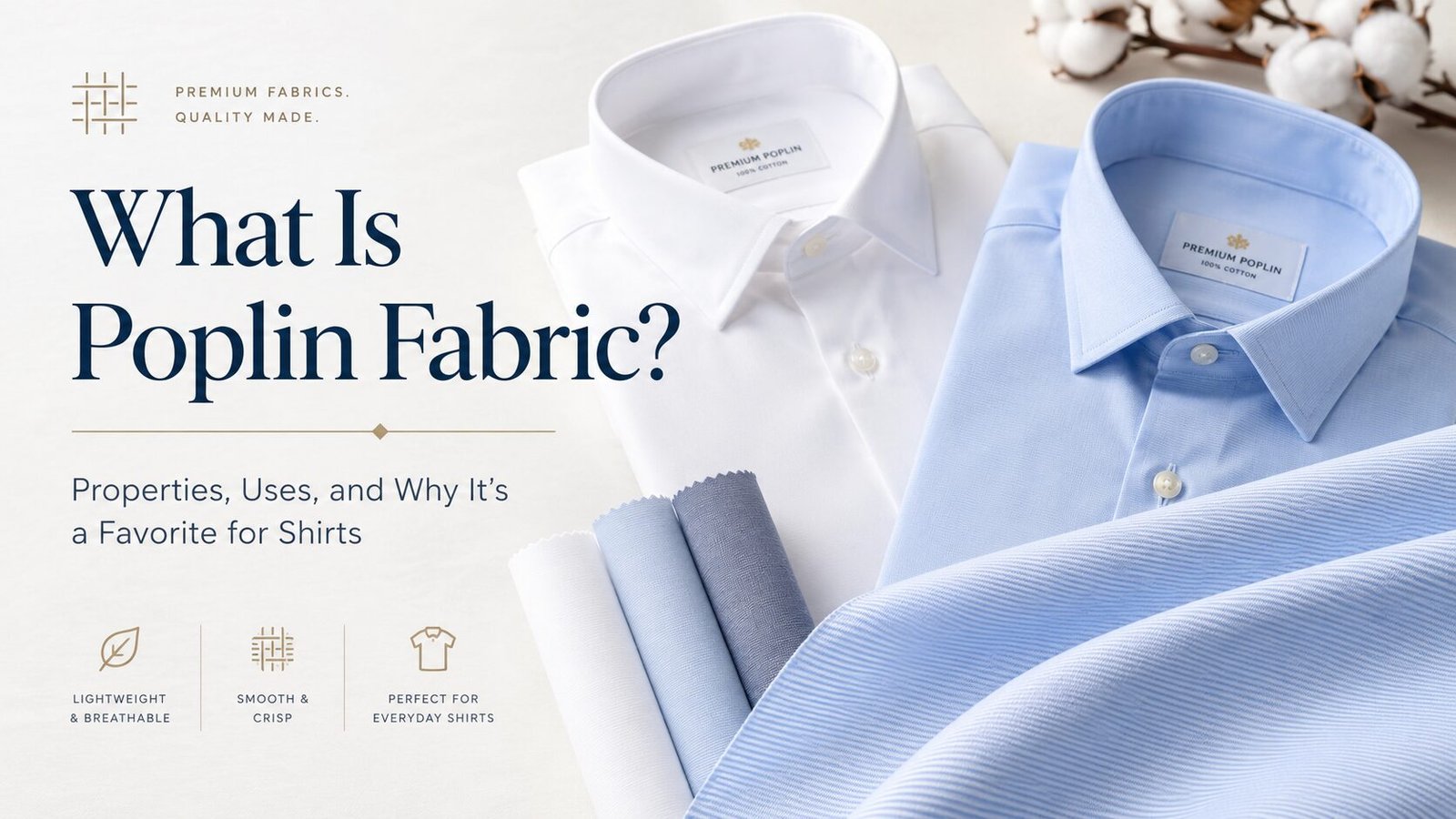
- Lightweight Woven Fabrics: Materials like cotton poplin or tencel offer a smooth finish for casual button-downs without the stiff, starchy feel of formal dress shirts.
The way these fabrics drape is inherently softer than formal alternatives. They move with the wearer, tolerate a few natural creases, and can usually be tossed into a standard washing machine without requiring specialized dry cleaning.
Simple and Practical Details
Formal garments often feature complex internal construction, such as shoulder pads, heavy canvas interfacing, and stiff collars. Casual clothing strips these elements away. Instead, the focus shifts to practical, low-maintenance details.
You will find soft, unlined collars on shirts, flexible elastic waistbands, functional drawstrings, and accessible patch pockets. Fastenings are straightforward—think durable plastic or metal buttons, smooth zippers, or simple metal snaps. These details keep the garment functional, lightweight, and easy to put on and take off.
Common Types of Casual Wear
To build an adaptable wardrobe or develop a well-rounded apparel line, it helps to understand the foundational categories that make up this style. However, the line between casual and other aesthetics often comes down to the finer design choices.
T-Shirts and Casual Tops
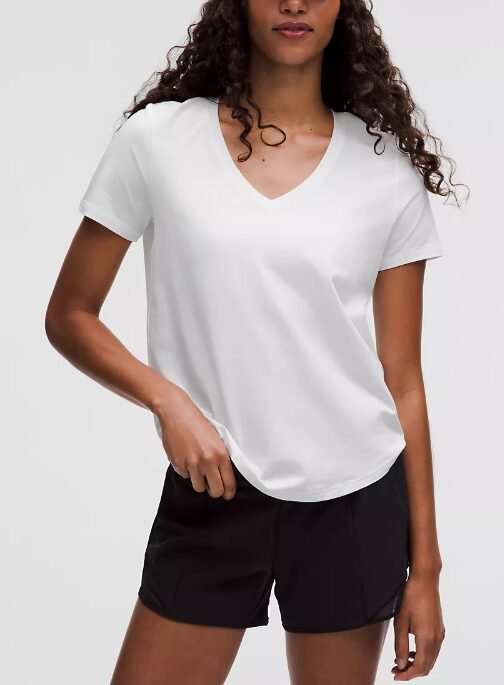
The classic crewneck or V-neck T-shirt is the ultimate baseline. A high-quality casual T-shirt uses a medium-weight cotton jersey and a standard, clean fit. If you change that to a heavy, stiff fabric with an extreme drop-shoulder and a massive graphic print, it crosses the boundary into streetwear.
Casual Shirts
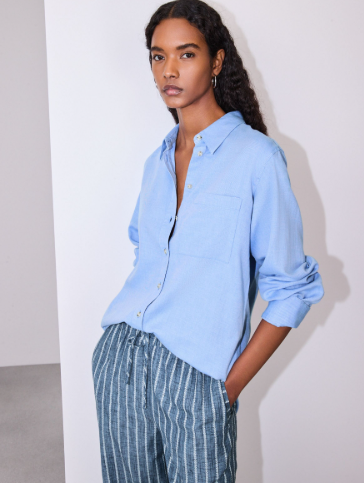
Button-downs made from washed oxford cloth, flannel, or lightweight chambray belong firmly in the casual camp. They feature soft collars and look best with the sleeves casually rolled up. If the same shirt is heavily starched, fitted with collar stays, and cut with a stiff hem meant exclusively to be tucked in, it becomes formal dress wear.
Jeans and Casual Pants
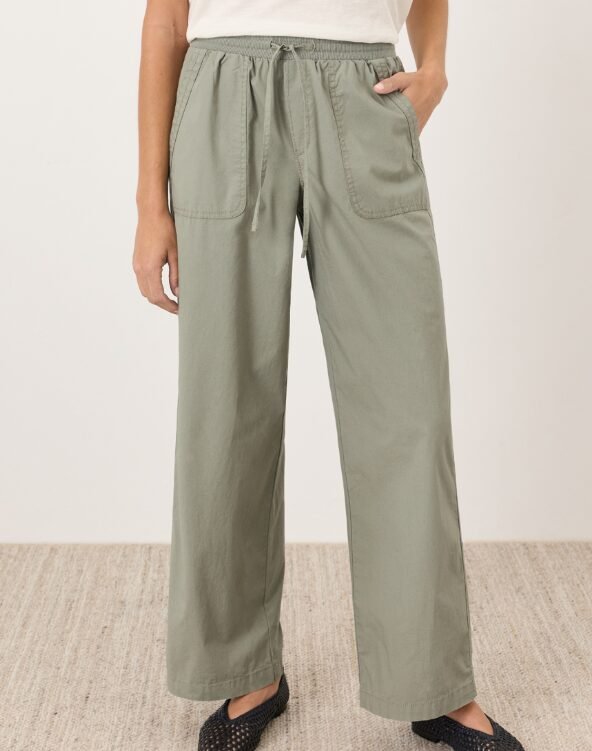
Denim is a cornerstone of everyday clothing, particularly in straight or slim-cut silhouettes with clean washes. Chinos and drawstring trousers made from soft cotton twill also fall into this group. However, if a pair of pants features technical straps, oversized cargo pockets, and a highly stacked ankle, it shifts toward a utilitarian or streetwear look.
Shorts
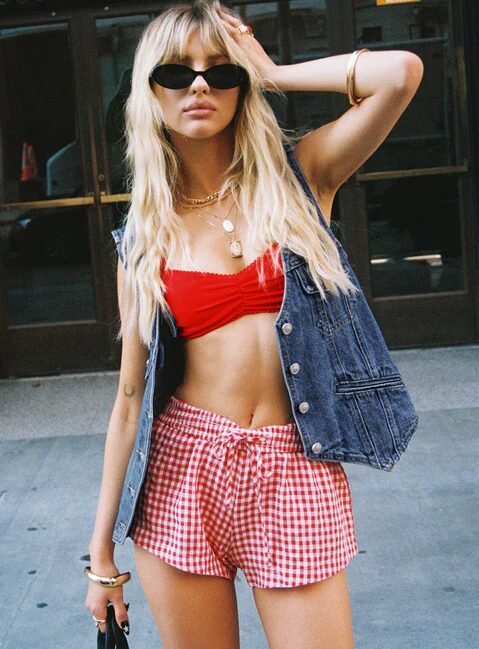
When temperatures rise, tailored walking shorts, classic chino shorts, and soft French terry sweatshorts offer a neat yet relaxed alternative. The key to keeping them truly casual is an appropriate length—usually sitting just above the knee—and a clean, uncomplicated waistband.
Casual Dresses and Skirts
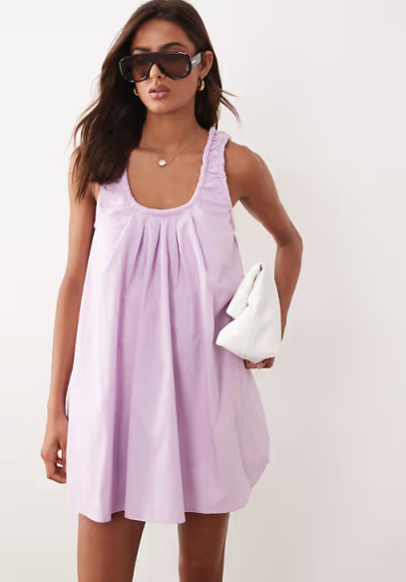
T-shirt dresses, unlined slip dresses, and simple A-line cotton skirts provide an effortless one-piece solution for daily wear. They lack the restrictive boning, crinoline, or delicate silk linings found in evening wear, allowing for total freedom of movement.
Matching Sets
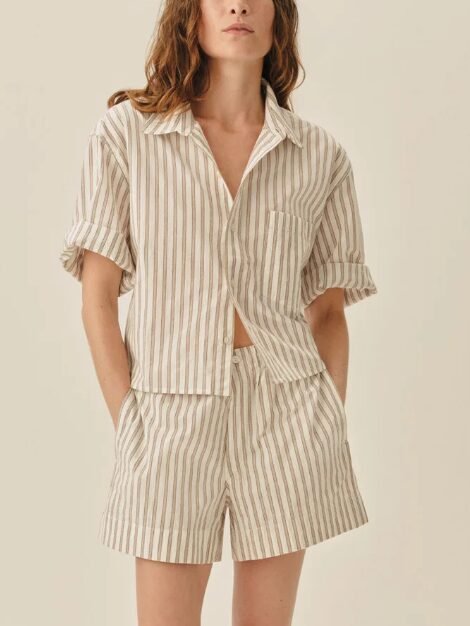
Coordinated pairs of lightweight shirts and shorts, or clean knit tops and trousers, have become a staple of modern casual style. When made from high-quality woven cotton or fine knits, they look put-together yet feel completely effortless.
Lightweight Jackets
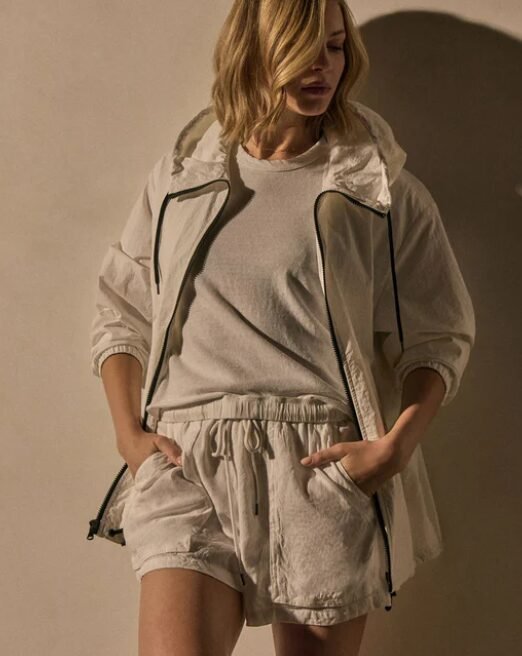
Outerwear like denim jackets, unlined bomber jackets, coach jackets, and chore coats add texture and warmth without the rigid formality of a tailored blazer or the bulk of a technical performance parka.
Casual Wear vs. Other Clothing Styles
Because modern fashion blends different influences together, it is easy to confuse casual wear with surrounding styles. Understanding these distinctions is essential for navigating dress codes or designing cohesive apparel collections.
Casual Wear vs. Streetwear
While both styles prioritize comfort, they stem from different roots. Casual wear focuses on timeless, everyday simplicity and clean lines. Its goal is to be subtle and functional. Streetwear, on the other hand, is heavily driven by subcultures, skate and hip-hop history, and modern pop culture. Streetwear frequently utilizes highly exaggerated, oversized silhouettes, bold graphic prints, and limited-edition branding details to make a visible statement.
Casual Wear vs. Sportswear
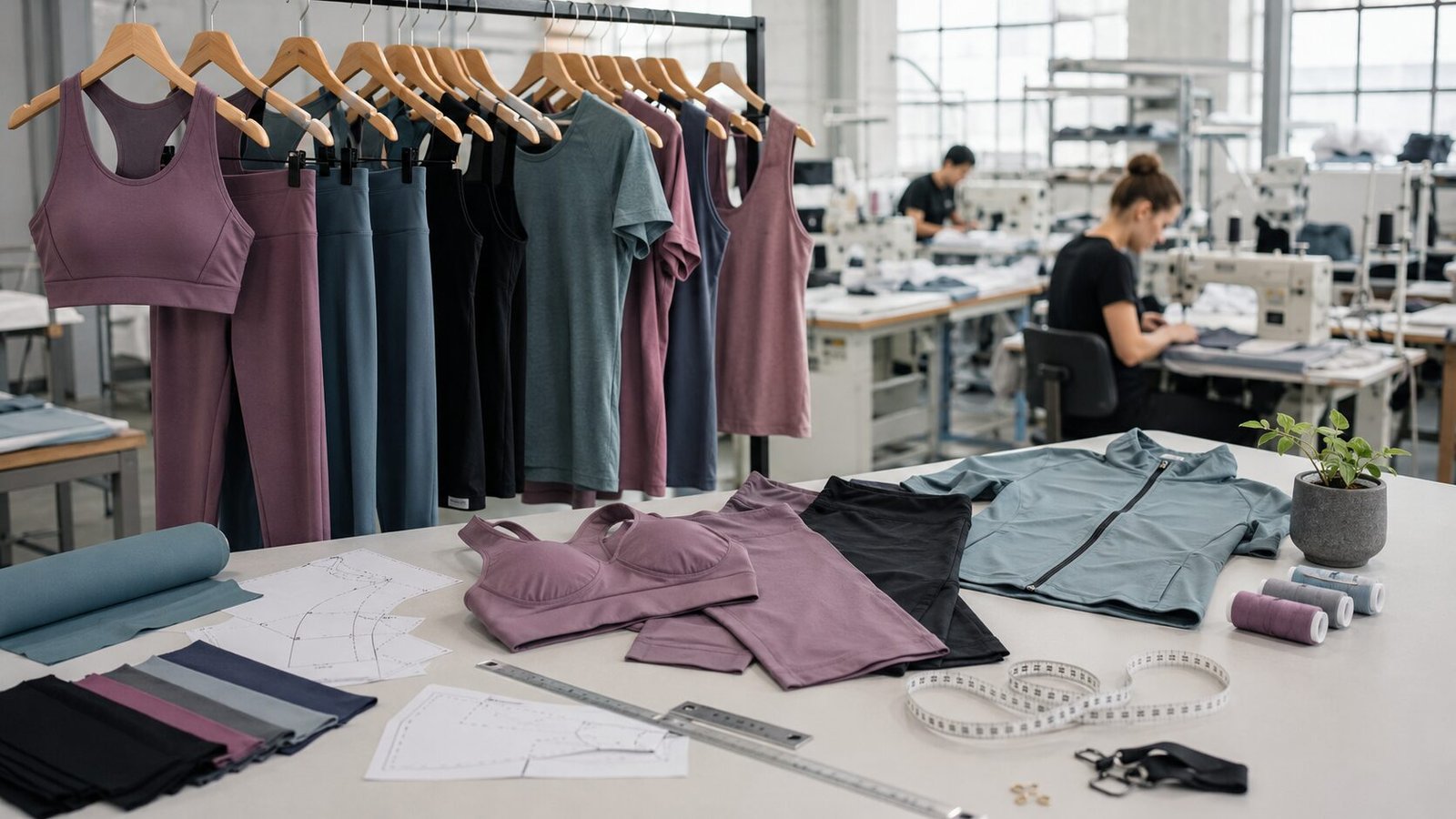
The difference here comes down to intent and engineering. Sportswear is designed specifically to optimize athletic performance and recovery. It relies heavily on technical features like moisture management, targeted compression, and specialized synthetic stretch blends. Casual wear may borrow elements of comfort from athletic clothing, but it is built for standard daily activities, using natural fibers and classic construction that doesn’t look like you are heading straight to the gym.
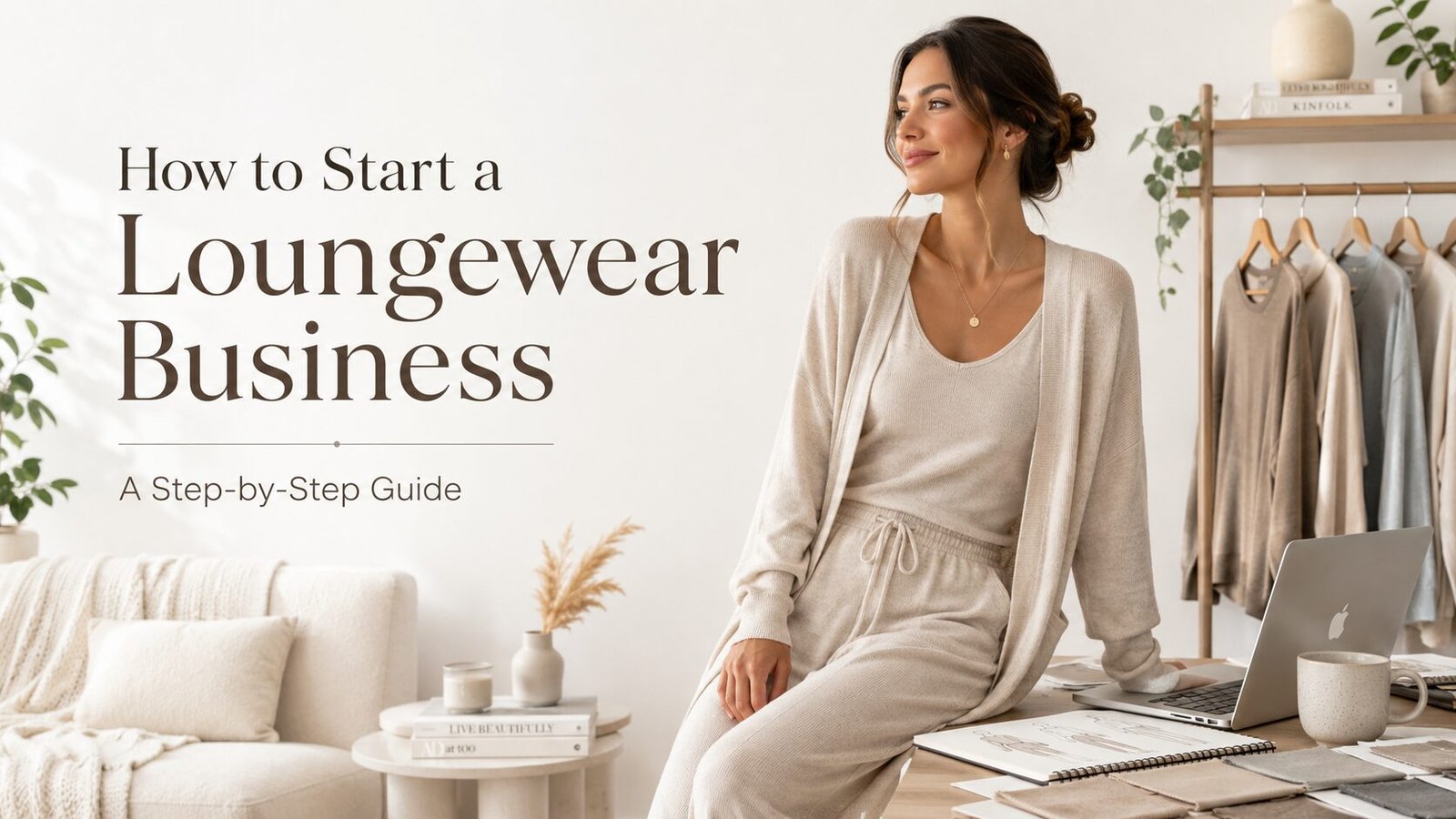
Casual Wear vs. Loungewear
Loungewear is designed primarily for the private home environment, focusing on maximum relaxation, warmth, and low-intensity movement. It often uses plush, brushed fabrics, ultra-soft fleece, or delicate knits. While the boundaries have blurred in recent years, traditional casual wear is constructed with a bit more structure, ensuring you look fully prepared and presentable when stepping out into public spaces.
Casual Wear vs. Smart Casual
Smart casual sits a step above everyday clothing on the formality ladder. It introduces neater, sharper elements to elevate a relaxed base. For instance, while a casual outfit might consist of a standard crewneck T-shirt, relaxed chinos, and an open overshirt, a smart casual look would swap those items for a knit polo, structured trousers, and an unlined tailored blazer. Smart casual looks more organized, deliberate, and polished.
How Casual Wear Changes by Occasion
Because casual clothing is incredibly flexible, the way you assemble these items depends heavily on where you are going. The same baseline items can be styled to look highly relaxed or slightly more sophisticated simply by swapping out complementary pieces.
Everyday Errands
When running errands, visiting the local market, or grabbing a quick coffee, the primary goal is pure utility. A reliable combination of a premium medium-weight T-shirt, broken-in denim, and a classic canvas jacket handles these situations perfectly. The focus here is on durability and ease, allowing you to move through your tasks without worrying about delicate fabrics or restrictive fits.
Casual Workplace
The modern workplace has moved steadily away from rigid corporate attire, giving rise to the casual office. In this setting, casual wear needs to look mindful and organized. Swapping a graphic tee for a crisp, unbuttoned oxford cloth shirt, and opting for clean, dark-wash jeans or tailored chinos creates an approachable yet thoroughly professional appearance. It signals competence without looking stuffy.
Travel
Dressing for travel requires garments that can withstand long periods of sitting, sudden temperature shifts, and constant movement. A successful travel outfit relies on clever layering. Soft, breathable knit pants paired with a flexible t-shirt and an easy-to-remove zip bomber jacket offer excellent comfort while navigating airports or train stations, ensuring you arrive at your destination looking fresh and unwrinkled.
Weekend Social Occasions
Whether it is a backyard barbecue, a casual dinner with friends, or a weekend matinee, social casual wear allows for a bit more personal flair. This is an ideal time to introduce matching sets, textured knitwear, or relaxed-fit linen shirts. It strikes a balance between feeling completely at ease and showing that you put a little thought into your appearance for the evening.
What Makes Good Casual Clothing?
Because casual garments look simple on the surface, the actual quality of their construction is what separates an excellent piece of clothing from a disposable one. High-quality casual apparel needs to survive frequent wearing, regular washing, and real-world movement while retaining its shape and appeal.
Fabric That Suits the Garment
A well-made casual piece starts with choosing a textile that matches how the garment is intended to drape. For a relaxed summer shirt, the fabric should have enough fluidity to move with the wind. For a pair of daily trousers, the twill needs enough weight and density to hold its shape rather than bagging out completely at the knees after an hour of sitting. Good casual fabrics feel substantial without feeling heavy or stiff.
A Fit That Allows Natural Movement
True quality in casual design means engineering the pattern to accommodate human anatomy in motion. This involves setting the armholes at a height that allows you to lift your arms without pulling the entire hem of your shirt up, or cutting the rise of a pair of pants so they remain secure and comfortable when you sit down. The fit should look clean while standing still, yet feel completely unrestrictive when moving.
Stable Shape After Washing
Because everyday garments are washed far more frequently than formal attire, structural stability is paramount.
- Torque Resistance: In knit tops, the fabric must be properly aligned before cutting to prevent the side seams from twisting around to the front of your body after a few laundry cycles.
- Shrinkage Control: Fabrics should be pre-shrunk or stabilized during finishing so that a medium shirt doesn’t permanently transform into a small after its first encounter with a household dryer.
Clean Construction in High-Stress Areas
The longevity of casual wear is hidden in the details of the internal construction. Look closely at the areas that take the most abuse during daily wear:
- Necklines: Quality T-shirts and sweatshirts often feature a bound neck seam or a herringbone tape reinforcement across the back of the neck to prevent the collar from stretching out into a wavy, distorted shape.
- Side Seams and Hems: Double-needle stitching or clean flatlock seams prevent fraying and ensure the edges of the garment remain flat and straight over time.
- Waistbands: On casual pants with elastic waists, multi-row stitching keeps the internal elastic from twisting or bunching inside the fabric channel during movement or washing.
Is Casual Wear the Same Everywhere
While the concept of casual clothing is universal, the actual execution changes noticeably based on local climates, regional lifestyles, and cultural habits. What qualifies as standard casual wear in one corner of the world might look entirely out of place in another.
In warm, humid tropical regions, casual wear is shaped entirely by heat mitigation. The wardrobe naturally revolves around highly breathable, open-weave linen blends, loose-fitting cotton shorts, and lightweight, unlined poplin tops. The silhouettes are intentionally kept airy and detached from the skin to maximize airflow.
In contrast, cooler temperate climates treat casual wear as an exercise in functional layering. Everyday outfits in these environments lean heavily on soft knit sweaters, medium-weight French terry hoodies, flannel overshirts, and sturdy denim. The casual aesthetic is built by stacking these different textures together, allowing the wearer to easily adjust to changing indoor and outdoor temperatures throughout the day.
Conclusion
Casual wear is far more than just a default choice when formal clothing isn’t required. It is a thoughtful, highly adaptable category of modern apparel that balances the practical demands of daily life with a clean, presentable aesthetic. By focusing on smart fits, reliable fabrics, and purposeful details, casual clothing allows everyone to navigate their routines with complete confidence and physical ease.
For clothing brand, creating exceptional casual wear requires a deep appreciation for the subtle balance between textile selection, pattern drafting, and real-world durability.
If you are looking to develop your own line of high-quality everyday apparel or refine your current collection, partner with a team that understands how to translate great design into lasting, wearable garments. Explore our custom clothing manufacturing services today to see how we can bring your creative vision to reality.