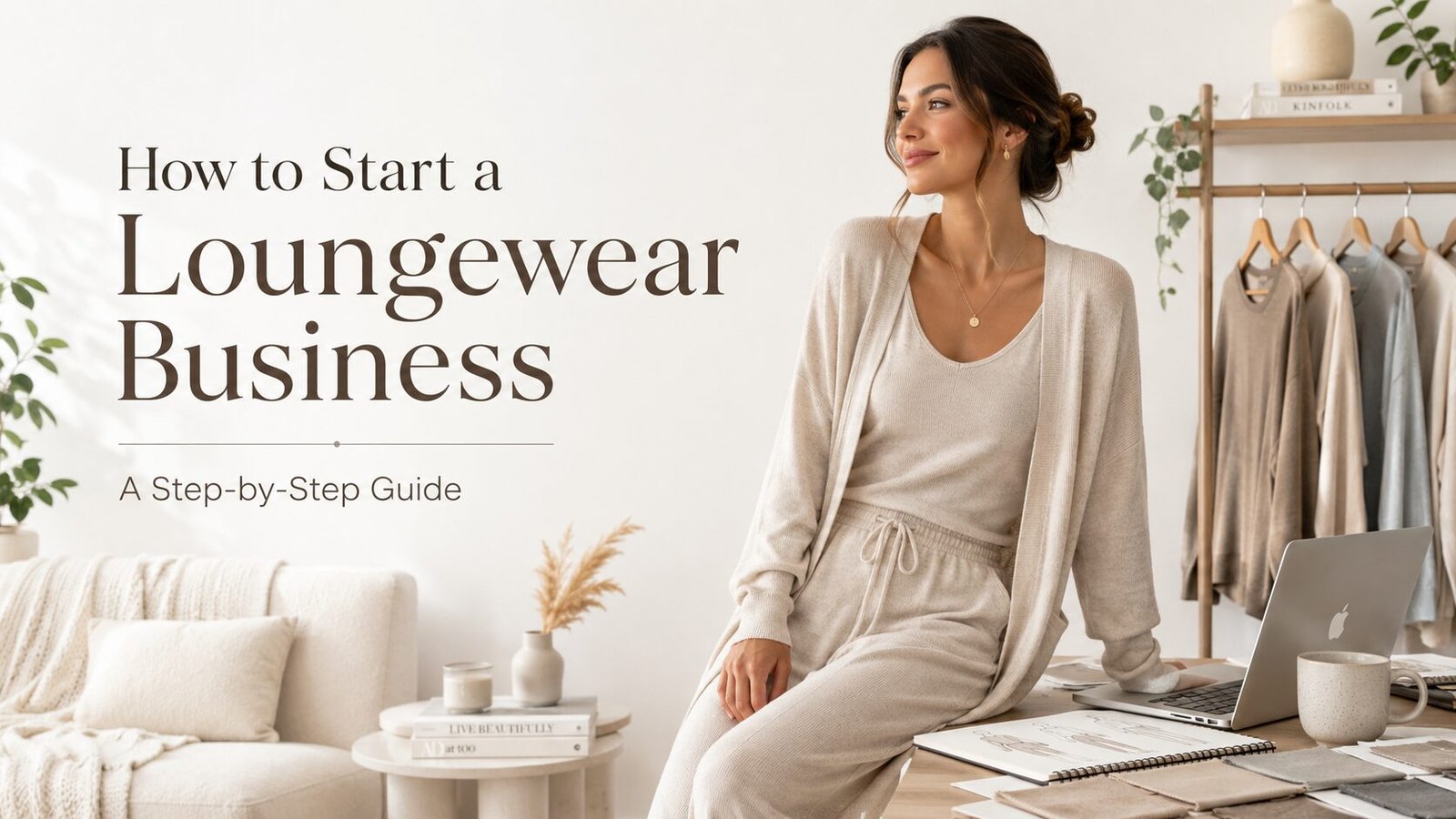
The demand for comfort has transformed the fashion industry, turning loungewear from basic sleepwear into a dominant wardrobe staple. If you want to launch your own loungewear line, succeeding requires a mix of strong branding, quality sourcing, and smart digital marketing.
Here is a concrete, step-by-step guide to taking your brand from an initial concept to a successful market launch.
Step 1: Define Your Niche and Identity
Find Your Angle
The loungewear market covers everything from simple homewear to premium matching sets. Before designing anything, decide who you are making the product for and why they would choose it.
You might focus on:
- Everyday Loungewear: Easy pieces for relaxing, working from home, or casual outings.
- Premium Homewear: Better fabrics, refined details, and a more elevated look.
- Specific Needs: Plus-size, maternity, travel-friendly, or sustainable loungewear.
A clear target customer makes later decisions about fabric, fit, price, and colors much easier.
Draft a Business Plan
You do not need a long business document to get started. What you need is a realistic overview of what you will sell, how much you can invest, and how the business will make money.
Outline your:
- Product Strategy: What will you sell—matching sets, separates, robes, or a mix?
- Budget: How much can you spend on samples, production, shipping, and launch costs?
- Pricing: What retail price can your target customer accept while still leaving enough margin?
- Sales Plan: Will you sell through your own website, social media, marketplaces, or several channels?
The purpose of the plan is simple: make sure the product idea works financially before you invest in inventory.
Design Your Tech Packs:
Your first collection does not need ten or twenty styles. In fact, too many products can make sampling, production, and inventory much harder to manage.
A practical first collection could include:
- One Top: A T-shirt, tank, sweatshirt, or long-sleeve style.
- One Bottom: Relaxed pants, shorts, or joggers.
- One Matching Set: Built from pieces that can also be sold separately.
- One Extra Layer: A cardigan, robe, hoodie, or lightweight jacket.
Try to use shared fabrics and colors across several styles. This keeps the collection consistent and can also simplify sourcing and production.
Step 2:Source Fabrics and Manufacturers
The definition of loungewear lies in the wearing experience; therefore, sourcing high-quality raw materials and selecting a reliable manufacturing partner are crucial to your business.
Choose Your Fabric
Fabric is one of the most important decisions in loungewear. A good design can still fail if the material feels stiff, pills quickly, shrinks too much, or loses its shape.
Common choices include:
- Cotton Jersey: Soft, familiar, and suitable for everyday styles.
- Modal: Smooth and drapey, often used for lightweight sets and pajamas.
- Rib Knit: Stretchy and textured, ideal for fitted tops and coordinated sets.
- French Terry: Comfortable with more structure, suitable for sweatshirts and joggers.
Do not choose fabric from appearance alone. The finished garment should also be tested for shrinkage, recovery, pilling, and comfort.
Find a Loungewear Manufacturer
Finding a manufacturer is one of the biggest decisions in starting a loungewear business.
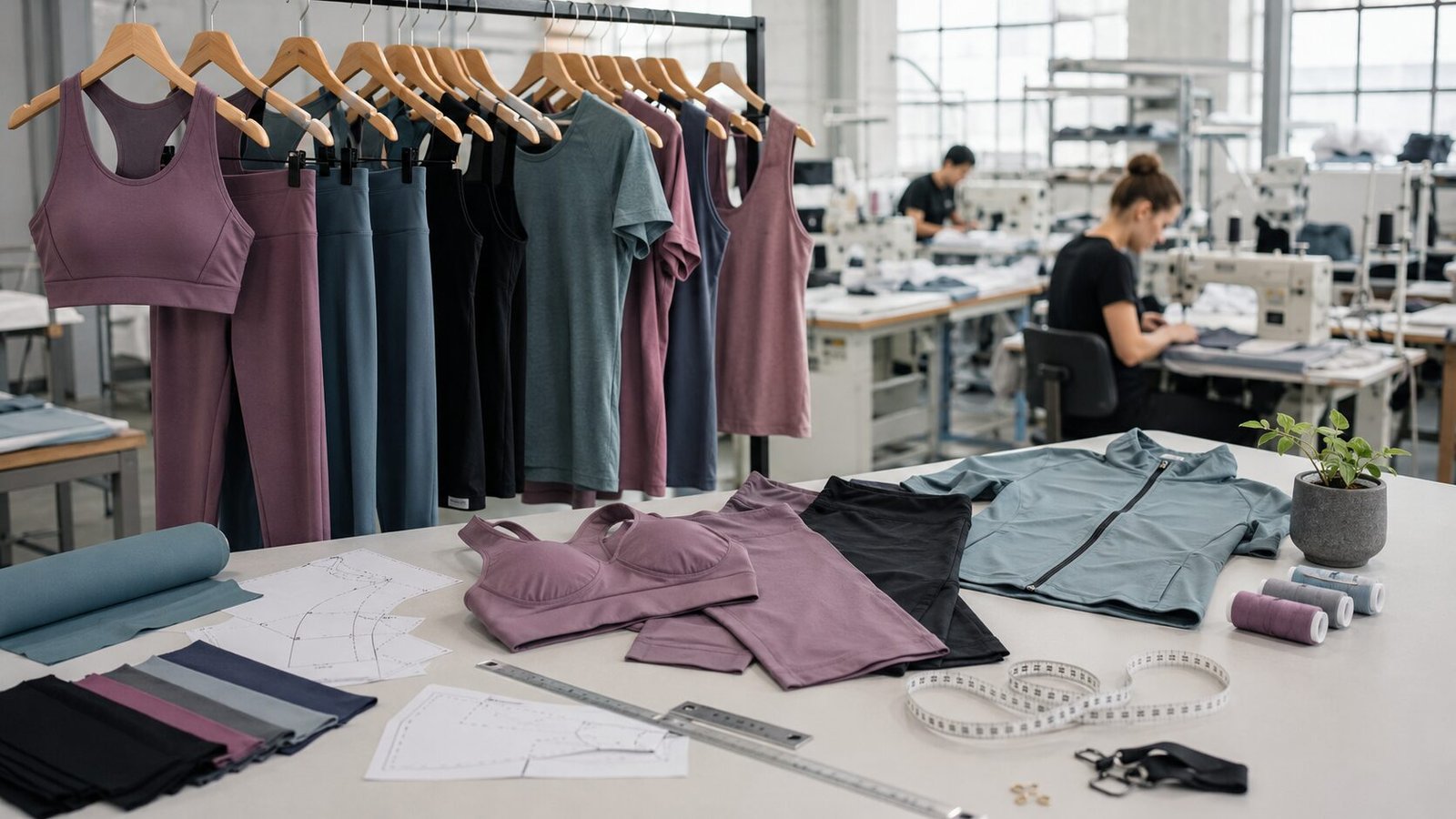
The right factory should understand soft fabrics, stretch materials, relaxed fits, and the construction details commonly used in matching sets and homewear.
But first, you need to know where to look.
Where to Find a Loungewear Manufacturer
There is no single best place to find a factory. The right channel depends on your budget, location, order quantity, and how much support you need.
You can start with:
- Google Search: Search terms such as “custom loungewear manufacturer,” “private label loungewear manufacturer,” or “low MOQ clothing manufacturer.”
- Sourcing Platforms: Websites such as Alibaba and Global Sources let you compare many suppliers and contact factories directly.
- Industry Trade Shows: Apparel and textile exhibitions are useful for meeting manufacturers and fabric suppliers face to face.
- Referrals: Ask designers, fabric suppliers, or other clothing businesses for factory recommendations.
- Sourcing Agents: An experienced local agent can help identify factories, communicate requirements, and follow up production.
Compare several manufacturers before deciding. This gives you a better understanding of pricing, MOQs, communication quality, and production capabilities.
How to Choose the Right Manufacturer
A professional-looking website or low quotation does not automatically mean a factory is the right fit.
Start by checking whether the manufacturer has experience with the type of loungewear you want to produce.
Ask about:
- MOQ: Is the minimum order realistic for your first collection?
- Product Experience: Have they produced matching sets, robes, joggers, pajamas, or similar styles?
- Fabric Sourcing: Can they help find suitable fabrics in the weight, stretch, and feel you need?
- Sampling: Can they develop a custom sample before bulk production?
- Development Support: Can they create patterns, adjust measurements, and improve the fit?
- Lead Times: How long do sampling and bulk production normally take?
- Quality Control: How are fabrics, measurements, stitching, and finished garments inspected?
A good factory should ask questions about your design, fabric, fit, quantity, and target quality. If a supplier immediately gives a price without understanding the product, the quotation may not be very reliable.
Prepare Your Designs for Sampling
Sampling is where your idea becomes a real product.
Do not approve a sample simply because it looks good in a photo or on a hanger. Loungewear needs to feel comfortable during real wear.
Wear the sample and wash it before approving bulk production.
Many problems only become obvious after several hours of wear or one or two washes.
Step 3:Handle Business Essentials
Before you start selling, make sure the business itself is properly set up.
The exact requirements depend on where you live and where the business operates. You may need to register a business name, create a legal business entity, apply for tax registration, or obtain certain permits.
You should also think about how the business will handle payments, bookkeeping, taxes, and product liability. These details may feel less exciting than designing clothes, but they become much harder to fix once orders start coming in.
The goal is simple: make sure you are ready to take payments, keep proper records, and sell legally before launch.
Step 4:Build Your E-Commerce Store
Your online store is where customers learn about your products, compare styles, and decide whether they trust your business enough to place an order.
It does not need to be complicated. It needs to look professional, work well on mobile devices, and make the buying process easy.
Create a Website
Platforms such as Shopify and Squarespace make it possible to build an online store without developing everything from scratch.
At the beginning, focus on the pages customers actually need. Your website should make it easy to understand what you sell, how the products fit, when orders will ship, and what happens if a customer wants to make a return.
A basic store usually includes a homepage, product pages, size guide, shipping and return information, about page, and contact page.
The product pages deserve the most attention. Include clear information about fabric composition, fit, sizing, care instructions, and delivery.
Invest in Visuals
Loungewear relies heavily on aesthetic appeal. Invest in high-quality, lifestyle-focused photography and video content that emphasizes comfort, soft textures, and a relaxed lifestyle.
Step 5: Launch and Market
Once your website is ready and inventory is secured, focus on building momentum and driving traffic.
- Utilize Social Media: Loungewear thrives on visual platforms. Share lifestyle video content on TikTok and aesthetic imagery on Instagram. Build early anticipation by documenting your behind-the-scenes manufacturing journey before you launch.
- Run Targeted Ads: Launch small, highly targeted ad campaigns on Meta Ads Manager (Facebook and Instagram) or Pinterest Ads to reach your specific target demographic without overspending.
- Influencer Seeding: Partner with micro-influencers (creators with 5,000 to 20,000 followers) in the fashion and wellness space. Gift them your loungewear in exchange for organic posts and honest reviews to build social proof and reach a trusted audience.
How Joyclothings Can Help You Start a Loungewear Business?
At Joyclothings, we help turn early ideas into production-ready garments. Whether you already have tech packs or only a few reference images, our team can support you from fabric sourcing and sampling to bulk production.
We can help with:
- Product Development: Turn sketches, tech packs, or reference ideas into custom loungewear samples.
- Fabric Sourcing: Find suitable fabrics based on the softness, stretch, weight, and look you want.
- Flexible MOQ: Start with a bulk order from 50 pieces, making it easier to test new styles without taking on too much inventory.
- Sampling and Production: Develop samples, adjust the fit, and move approved designs into bulk production with quality checks along the way.
You do not need to have every detail figured out before contacting a manufacturer. A clear product idea, a few reference images, or an initial collection plan is often enough to start the conversation.
Conclusion
Now is the perfect time to launch a loungewear brand. You don’t need to launch with a massive collection right away; simply identify your target audience, design a classic, comfortable piece, start with low minimum order quantities, and scale up gradually.
Are you ready to bring your loungewear brand to life? Contact us today to discuss your vision and see how JoyClothing can be the partner you need.