Activewear has evolved from standard gym clothes into the ultimate wardrobe staple. Embodying a seamless fusion of high-performance functionality, compression, and style, activewear transitions effortlessly from high-intensity workouts to casual streetwear—a movement universally known as athleisure.
We all love a great pair of leggings or a sweat-wicking running top, but have you considered what actually goes into making them?
Activewear manufacturing is a highly technical blend of textile science.This guide will give you, the designer or clothing brand, all the information you need to navigate the world of premium activewear manufacturing.
Understanding Activewear Manufacturing
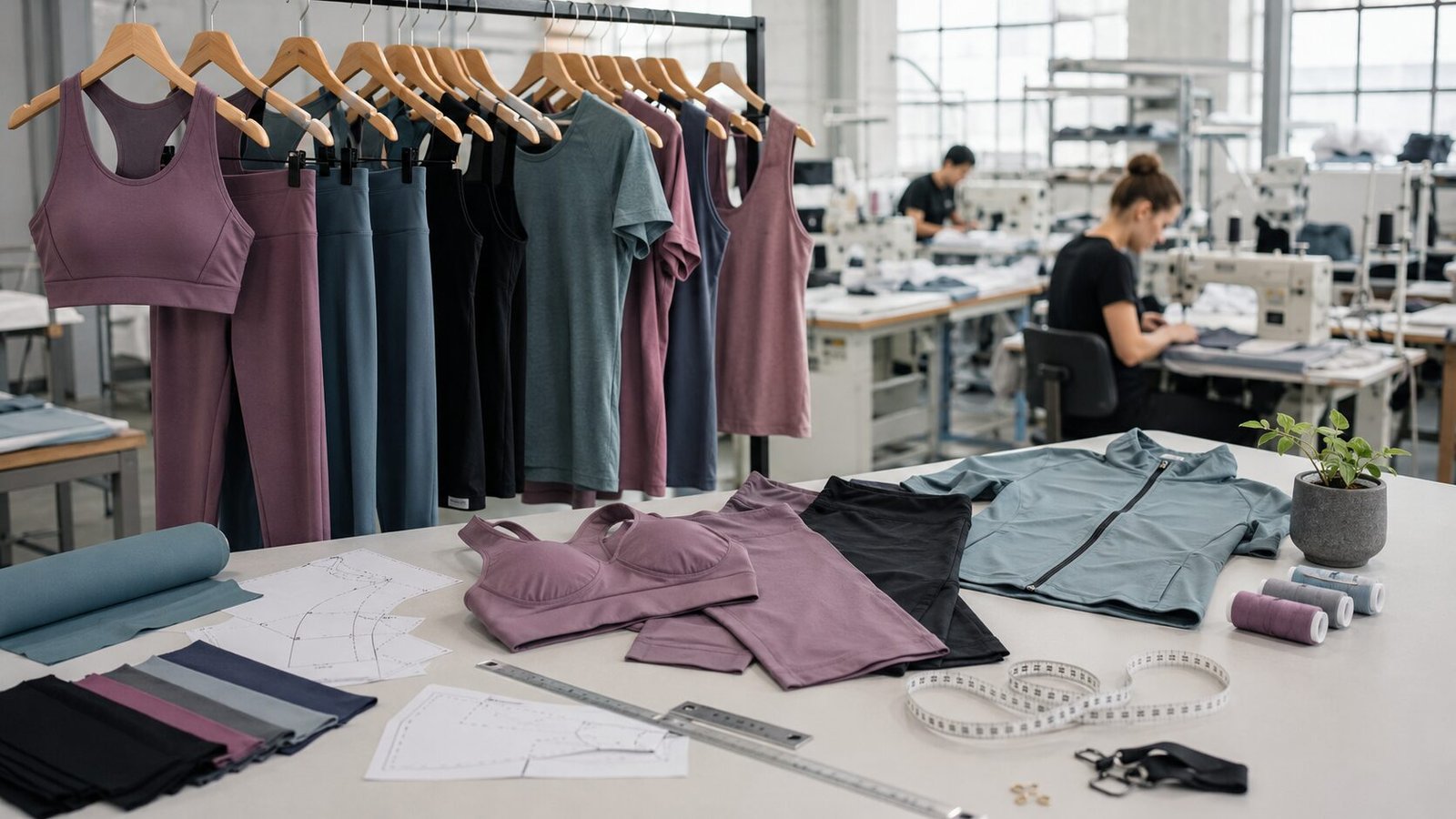
Activewear manufacturing is vastly different from traditional fashion production. Because these garments are subjected to intense stretching, friction, and moisture, every stage of production requires specialized machinery and expertise. Let’s take a closer look at the fascinating journey behind high-performance apparel:
1. Fabric Selection & Sourcing
The foundation of any great activewear piece starts with the textile. We source and test specialized synthetic and regenerated fibers that offer unique attributes like 4-way stretch, moisture management, and muscular compression.
2. Specialized Technical Pattern Making
Activewear requires a different approach to geometry. Patterns must account for “negative ease“—meaning the garment is patterned smaller than the human body so it can stretch and hug the skin perfectly without restricting blood flow.
3. Laser Cutting and Sealing
Utilizing the finalized patterns, high-precision laser cutters slice through technical fabrics. Because synthetic edges love to fray, laser cutting simultaneously melts and seals the edges of the fabric pieces, preventing unravelling during the intense sewing process.
4. Specialized Assembly Line Production
You cannot sew a performance sports bra with a standard sewing machine. Activewear assembly relies on specialized machines like flatlock and 4-needle-6-thread stitchers. Quality checks are performed continuously to test seam elasticity and strength.
5. Technical Finishing
After assembly, garments undergo finishing processes which may include applying heat-transfer reflective logos, anti-microbial washes, or bonding seams using heat instead of thread.
6. Rigorous Quality Control
Before packing, activewear undergoes strict testing. Teams check for fabric “squat-proofness” (opacity), stretch recovery, and seam durability under tension to ensure the product meets elite athletic standards.
Designing the Perfect Activewear Piece
The journey of any iconic activewear line begins with a vision. Designers must balance aesthetic appeal with biological function. When sketching activewear, you aren’t just designing a silhouette; you are designing a piece of equipment that aids human movement.
Steps on Designing Activewear:
- Identify the Activity: Is your capsule collection for low-impact yoga, high-impact CrossFit, or outdoor trail running? The activity dictates the entire fabric and structural blueprint.
- Incorporate Functional Ergonomics: Map out body mapping panels. Place breathable mesh in high-sweat zones (like the back or behind the knees) and high-compression panels around core muscle groups.
- From Sketch to Tech Pack: Translate your sketches into a highly detailed Tech Pack, specifying exact fabric weights (GSM), stitch types, and placement of supportive elements like under-bust bands or removable cups.
Types of Essential Activewear
A well-stocked activewear brand needs a balance of supportive compression and lightweight breathability. Here are some of the most popular silhouettes in the performance market:
For Women:
High-Waisted Leggings
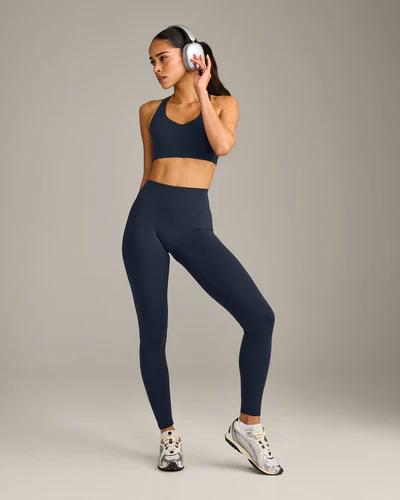
The ultimate staple. Features a wide, supportive waistband (often elastic-free to prevent digging) and ergonomic seams to enhance shape and eliminate chafing.
Sports Bras (Low to High Impact)
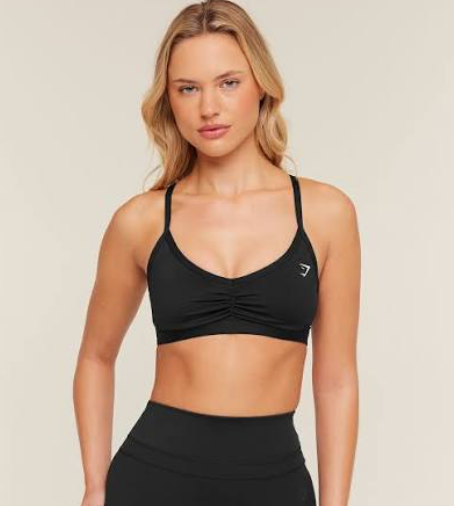
Engineered with molded cups, wide racerback straps, or compression bands to minimize bounce and provide maximum chest support.
Biker Shorts:
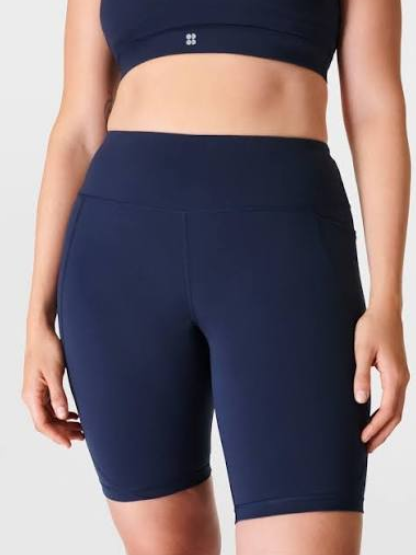
A trendy yet functional piece offering mid-thigh coverage, perfect for cycling, running, or casual athleisure styling.
Cropped Performance Tanks
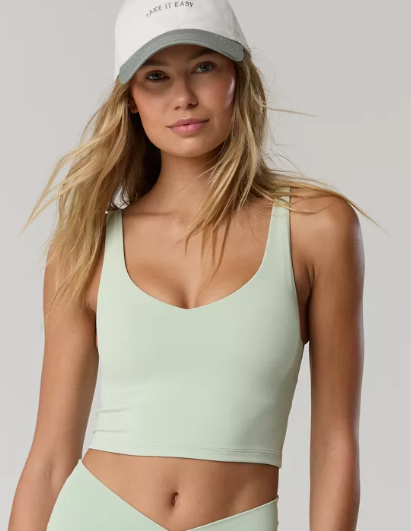
Fitted, sleek tops featuring built-in shelf bras and racerback cuts for total shoulder mobility.
For Men:
Compression Tights
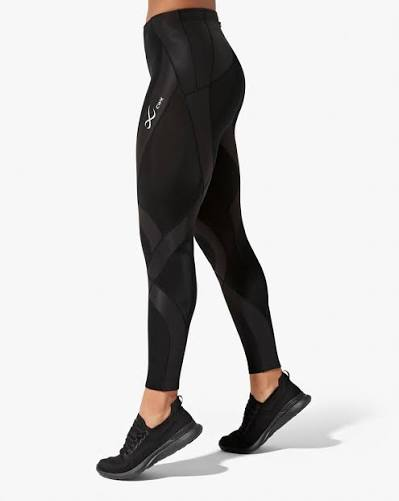
Worn standalone or under shorts, these boost blood circulation, stabilize muscles, and reduce post-workout fatigue.
2-in-1 Running Shorts
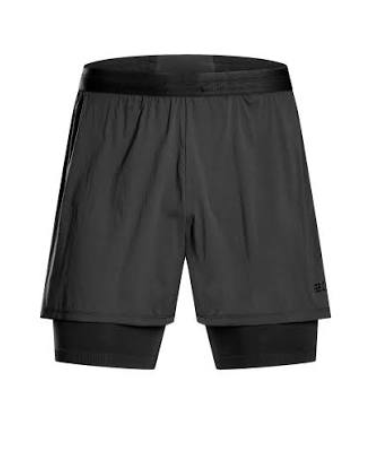
Features a lightweight, breathable woven outer shell with a built-in, snug compression liner to prevent inner-thigh chafing.
Droptail Gym Tees
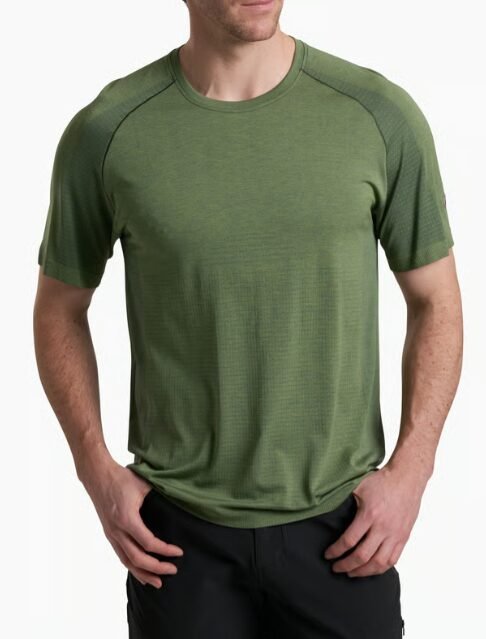
T-shirts designed with an elongated, curved back hem to ensure full coverage during squats, overhead presses, or stretching.
Performance Hoodies
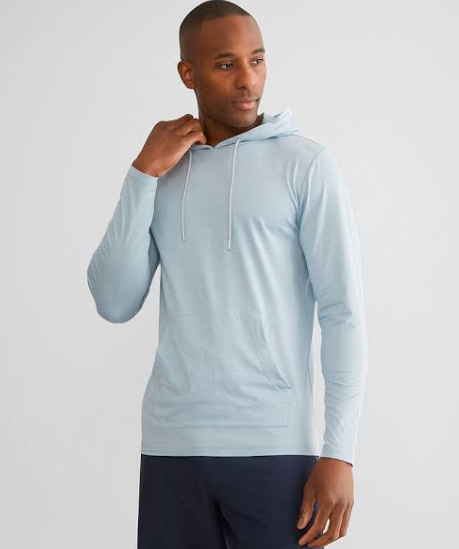
Lightweight, moisture-wicking layers featuring raglan sleeves for frictionless arm movement and thumbholes to keep sleeves secure.
Anatomy of an Activewear Garment
To communicate effectively with your manufacturer, you must understand the technical anatomy of performance apparel. Every hidden element serves an athletic purpose.
Gusset (Crotch Panel): A triangular or diamond-shaped piece of fabric sewn into the crotch area. This crucial feature redistributes stress away from the seams, allowing for 180-degree splits and deep squats without tearing or discomfort.
Flatlock Seams: A seam where the fabric edges are abutted together and stitched flat. This eliminates the bulky internal seam allowance found in normal clothing, entirely preventing skin chafing.
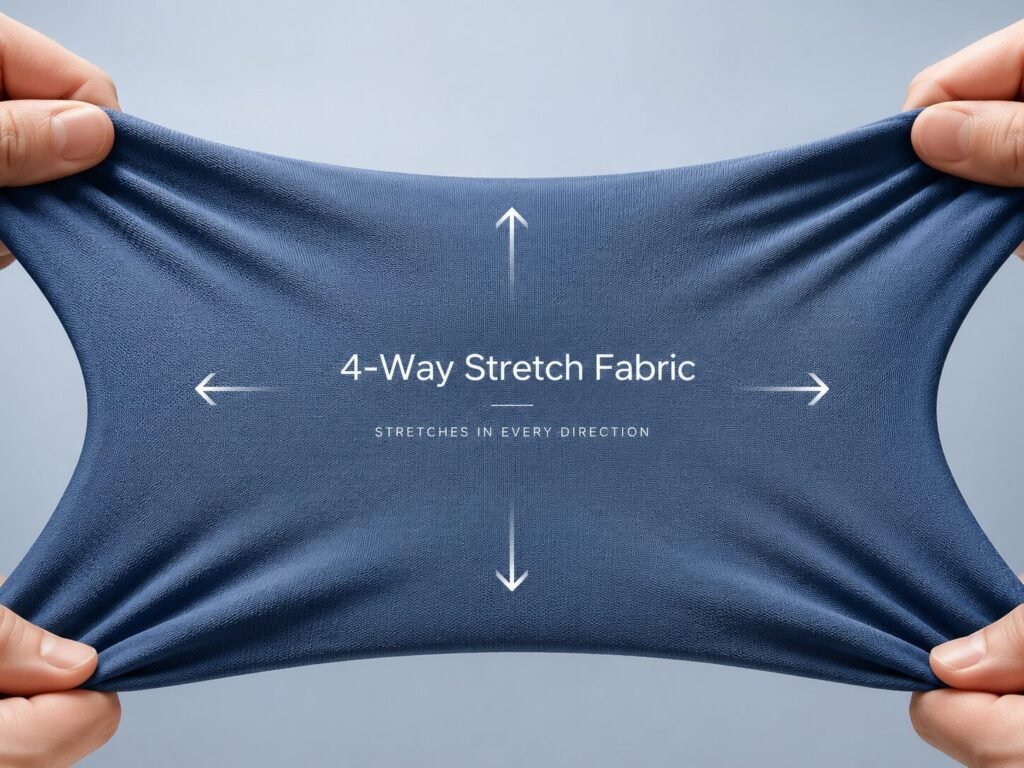
4-Way Stretch Fabric: Fabric that stretches and recovers both widthwise and lengthwise, providing freedom of movement and maintaining garment shape over time.
Moisture-Wicking Finish: A chemical or structural treatment applied to fibers that pulls sweat away from the skin to the outer surface of the fabric so it can evaporate quickly.
Ergonomic Waistband: A wide waistband designed to sit flat against the abdomen, often incorporating internal power-mesh to prevent the leggings from sliding down during movement.
Choosing Quality Performance Fabrics
The fabric is the single most important decision in activewear manufacturing. We work closely with brands to select the perfect composition and weight (GSM) for their vision. Here are the elite players in activewear textiles:
Nylon / Spandex (Polyamide Blend)
The gold standard for leggings and bras. Nylon offers an incredibly soft, buttery hand-feel, supreme durability, and excellent abrasion resistance, while Spandex provides elite stretch.
Polyester / Spandex
The champion of sublimated prints and eco-friendly lines (using Recycled PET). Polyester is highly colorfast, hydrophobic (doesn’t absorb water), and naturally quick-drying, making it ideal for shirts and shorts.
Merino Wool Blend
A luxury natural performance fiber. It is inherently anti-microbial (odor-resistant), highly breathable, and offers incredible temperature regulation for outdoor and hiking apparel.
Power Mesh
A lightweight, breathable nylon-spandex mesh used strategically for ventilation windows, pocket linings, and interior waistband support.
Seamless vs. Cut & Sew Manufacturing
When bringing your activewear design to life, you will generally choose between two primary manufacturing techniques:
1. Traditional Cut & Sew
This is the process where fabric rolls are laid out, laser-cut into panels, and sewn together using flatlock machines.
- Best For: Complex panel designs, mixing textures (like mesh inserts in solid leggings), high compression garments, and unlimited aesthetic customization.
2. Seamless Knitting Technology
Using circular knitting machines (like Santoni machines), seamless garments are programmed via computer and knitted directly into a tube-like garment, completely eliminating side seams.
- Best For: Ultimate second-skin comfort, lounger athleisure, and beautiful knit-in jacquard patterns. Seamless activewear offers unrivaled comfort and massive reductions in fabric waste.
Marking and Testing Tips for Production
Meticulous quality control during the pre-production phase saves thousands in manufacturing errors. When dealing with high-stretch activewear fabrics, manufacturers employ specialized testing:
- The Four-Way Stretch Test: Fabric must be measured before and after pulling to ensure it recovers to its exact original dimensions without permanently bagging out at the knees or elbows.
- The Translucency (Squat) Test: Fabric samples are stretched over a dark backdrop under high-intensity lighting to ensure the knit density is high enough to remain opaque when fully stretched.
- Stitch Density Calibration: Activewear requires roughly 10–12 stitches per inch. If the stitch density is too low, the seam will pop when stretched; if it is too high, it will cut the synthetic fibers and cause tearing.
Conclusion
Building a successful activewear brand requires more than just a great logo. It demands a deep understanding of cutting-edge textile science, precise ergonomic patterning, and access to specialized manufacturing facilities that can tame high-stretch materials. In today’s competitive fitness and athleisure market, a garment’s technical performance is your brand’s best marketing tool.
If you are looking for a reliable activewear manufacturer, we can help with fabric sourcing, sample development, custom production, labeling, logo application, packaging, and bulk manufacturing for your activewear collection.