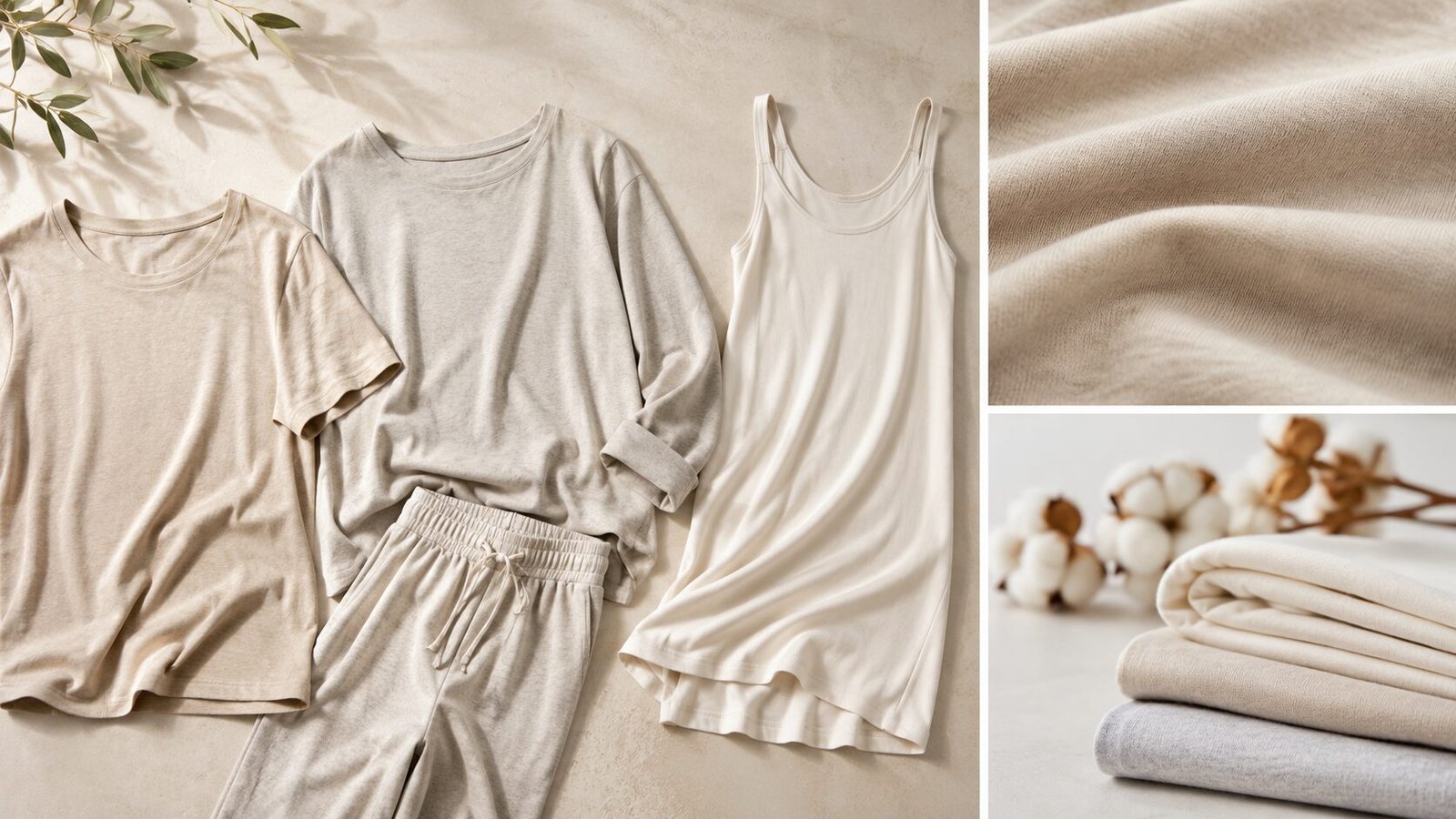
Choosing the right fabric is a crucial step in product development, directly impacting the garment’s drape, comfort, and durability.
Among everyday knit fabrics, Cotton Jersey Fabric remains one of the most widely used materials. From classic streetwear t-shirts to high-end loungewear, its comfort and versatility make it suitable for various styles.
This comprehensive guide covers everything you need to know about cotton jersey fabric, helping you efficiently and flexibly incorporate this material into your garment collection development.
What Is Cotton Jersey Fabric?
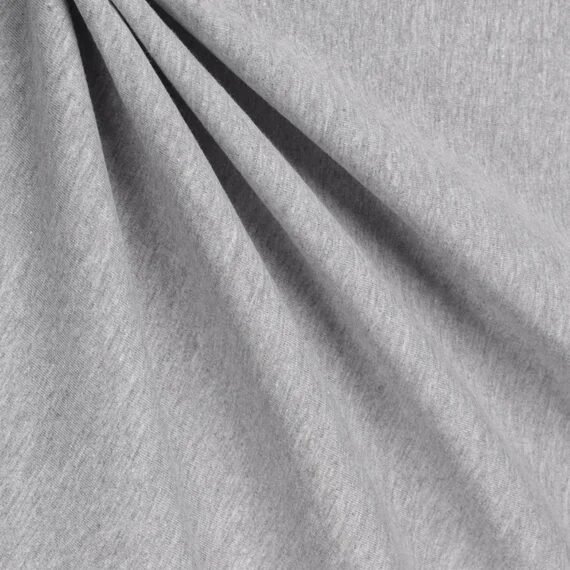
At its core, cotton jersey is usually a single-knit fabric made from 100% cotton fibers or cotton blends. Unlike woven fabrics (like denim or canvas), jersey is created using a series of interlocking loops.
Originally made from wool in the Channel Islands of Jersey during the Middle Ages, the modern textile industry has evolved the fabric into the lightweight, breathable, and stretchy cotton variant we know today.
The Anatomy of Jersey Knit
If you look closely at a swatch of single jersey fabric, you will notice a distinct difference between the two sides:
- The Face : Characterized by tiny, vertical “V” shapes (knit stitches).
- The Back (Wrong Side): Characterized by a bumpy, horizontal grain (purl stitches).
Key Features of Cotton Jersey Fabric
- Natural Stretch: Even without adding synthetic elastane (Spandex/Lycra), cotton jersey possesses a natural mechanical stretch due to its knitted structure.
- Breathability & Moisture Absorption: Cotton is inherently porous. It allows air to circulate and absorbs moisture from the skin, making it the premier choice for everyday wear.
- Drape and Softness: Cotton jersey is renowned for its fluid, fluid-like drape. It contours to the body effortlessly, offering unmatched comfort.
- Ease of Processing: It handles pigment dyeing, screen printing, and custom finishes exceptionally well, making it highly adaptable for mass production.
Technical Note: While 100% cotton jersey is highly breathable, it is prone to shrinking (usually 3-5%) during the first wash. Pre-shrinking treatments or blending with polyester can mitigate this issue.
Common Types of Cotton Jersey Blends
Depending on target price points and performance requirements, bulk production often utilizes various cotton blends. Here is a breakdown of the most common options:
| Fabric Composition | Key Benefits | Best Used For |
| 100% Cotton Jersey | Ultra-soft, hypoallergenic, maximum breathability, premium hand-feel. | High-quality t-shirts, infant wear, luxury loungewear. |
| Cotton-Polyester Blend (e.g., 60/40) | Highly durable, wrinkle-resistant, colorfast, budget-friendly, minimal shrinkage. | Fast fashion, corporate uniforms, sportswear. |
| Cotton-Spandex / Elastane (e.g., 95/5) | Exceptional 4-way stretch, excellent shape retention, doesn’t bag out. | Leggings, fitted tees, athleisure, bodycon dresses. |
| Cotton-Modal / Rayon Blend | Silky texture, elegant drape, subtle luster, lightweight. | Premium sleepwear, women’s fashion tops. |
Fabric Weight
The weight of a fabric affects how cotton knitwear performs in garments. Fabrics that are too light may be slightly sheer, while fabrics that are too heavy may lack drape.
Fabric weight is usually measured in GSM (grams per square meter). A higher GSM value generally indicates a heavier fabric, but this does not necessarily mean better quality. The appropriate fabric weight depends on the style and intended use of the garment.
1. Lightweight (120 – 150 GSM / 3.5 – 4.5 oz)
- Characteristics: Sheer, highly breathable, delicate drape.
- Best For: Summer t-shirts, tank tops, layering pieces, and breathable baby clothing.
2. Medium Weight (160 – 200 GSM / 4.7 – 5.9 oz)
- Characteristics: The industry standard. Opaque, stable to sew, durable yet comfortable.
- Best For: Standard retail t-shirts, polo shirts, casual dresses, and pajamas.
3. Heavyweight (210 – 280+ GSM / 6.2 – 8.2+ oz)
- Characteristics: Thick, structured, premium feel, hides body contours well.
- Best For: Streetwear oversized tees, heavy-duty basics, and autumn loungewear.
What Is Cotton Jersey Fabric Used For?
Cotton jersey is most suitable for products that need a natural, casual, and comfortable feel.
| Product Type | How Cotton Jersey Is Commonly Used |
|---|---|
| T-Shirts and Casual Tops | One of the most common uses. Cotton jersey works well for classic tees, long-sleeve tops, graphic T-shirts, and relaxed everyday tops. |
| Dresses and Skirts | Suitable for T-shirt dresses, tank dresses, casual skirts, and relaxed dress styles that need soft drape rather than strong structure. |
| Pajamas and Homewear | Used for lightweight pajama sets, sleep dresses, homewear tops, and relaxed pants where softness and easy movement matter. |
| Tank Tops and Base Layers | A practical choice for camisoles, tanks, and simple layering pieces. For fitted styles, cotton-spandex jersey usually offers better recovery. |
| Babywear and Basics | Often used for babywear, children’s basics, underwear basics, and simple daily garments that need a soft hand feel and regular washability. |
For structured dresses, high-performance activewear, other fabrics such as French terry, ponte, rib knit, or polyester-spandex jersey may be more appropriate.。
Limitations to Consider
Cotton jersey is versatile, but it is not suitable for every garment. Understanding its limitations helps avoid problems during fabric selection and production.
- Possible Shrinkage: Cotton jersey may shrink after washing if the fabric is not pre-shrunk or properly finished.
- Limited Recovery: 100% cotton jersey has natural stretch, but it may not return to shape well after repeated wear. .
- Wrinkling: Cotton jersey can wrinkle more easily than polyester or synthetic-blend jersey.
- Transparency: Lightweight cotton jersey may appear sheer, especially in white, cream, pastel, or fitted styles.
- Shape Change: If the fabric is too light or loosely knitted, it may lose shape after washing and wearing.
Care Tips

When it comes to regular washing, opt for cold or gentle cycles and wash similar colors together, especially if you have dark, bright, or garment-dyed pieces. Try to steer clear of high heat, as it can cause more shrinkage and make the fabric lose its shape quicker.
For printed cotton jersey items, turning the garment inside out before washing is a great way to minimize friction on the print surface.
Conclusion
Cotton jersey fabric remains one of the most practical materials for everyday clothing. It is soft, breathable, flexible, and easy to wear, making it a strong choice for T-shirts, dresses, pajamas, loungewear, and casual basics.
At the same time, the fabric name alone is not enough. Fiber blend, fabric weight, shrinkage control, opacity, hand feel, and finishing all affect how the final garment looks and performs.。
If you are developing cotton jersey garments for a women’s apparel collection, we can help you choose suitable fabrics, create samples, and turn your designs into finished products.