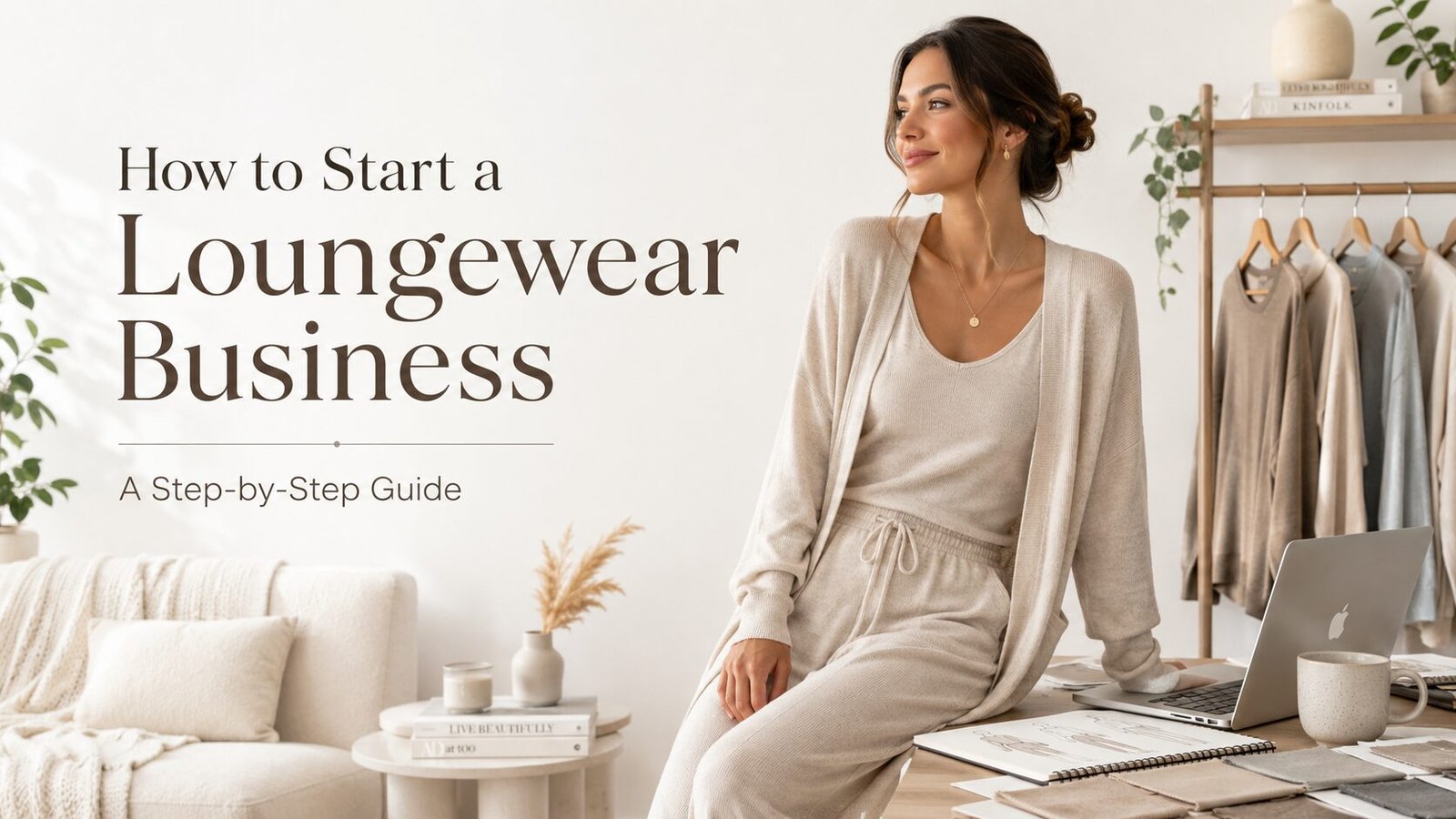
Loungewear has become much more than clothing you only wear at home. Today, it sits between sleepwear, casualwear, and relaxed everyday outfits. A good loungewear piece should feel soft and comfortable, but it should also look polished enough for daily routines, travel, coffee runs, or casual weekends.
For clothing brands, loungewear is also a strong product category because it is practical, repeatable, and easy to build into seasonal collections.
Below are 10 common types of loungewear and how they fit into modern comfort dressing.
What Is Loungewear?
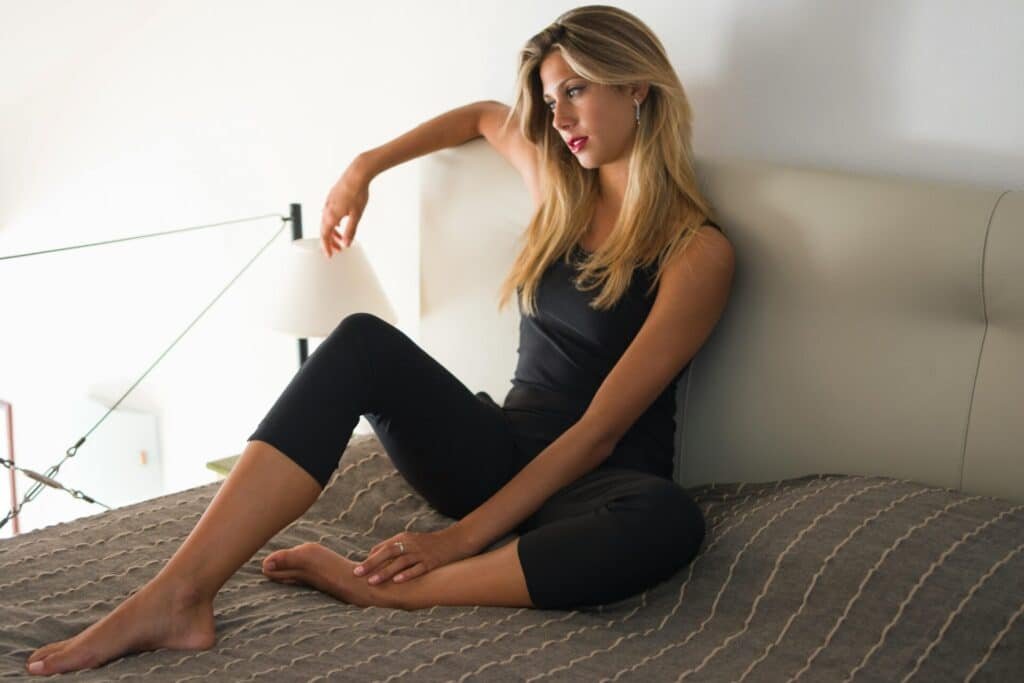
Loungewear refers to comfortable clothing designed for relaxing, working from home, casual daily wear, travel, or light home activities. It is usually softer and more relaxed than regular casualwear, but more versatile than traditional sleepwear.
Modern loungewear often includes pieces that can move between indoor and outdoor settings. A ribbed lounge set, oversized T-shirt, or wide-leg lounge pant can feel comfortable at home while still looking styled enough for everyday wear.
Common loungewear features include soft fabrics, relaxed fits, stretch, breathable materials, elastic waistbands, easy layering, and simple silhouettes. The best styles balance comfort, fit, and appearance.
10 Common Types of Loungewear
1. Matching Lounge Sets
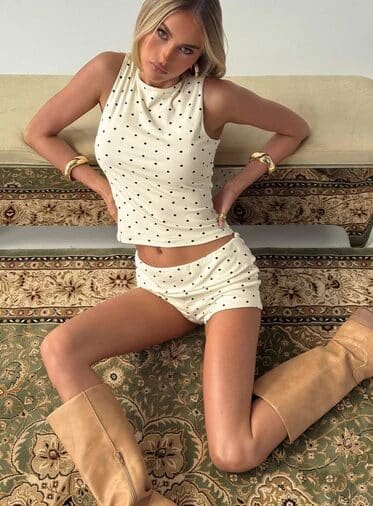
Lounge sets are one of the most popular types of loungewear because they offer a complete outfit with very little styling effort.
They usually include coordinated tops and bottoms, such as sweatshirts with joggers, ribbed knit sets, modal sets, creating a comfortable yet cohesive look for home, travel, or casual daily wear.
2. Pajama Sets
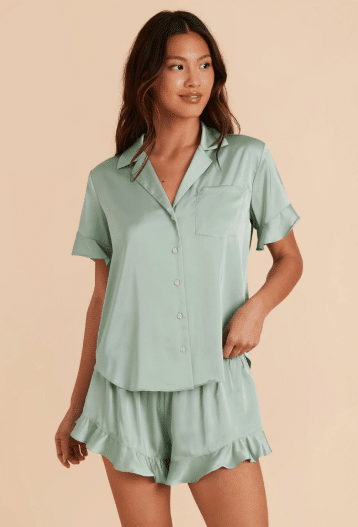
Pajama sets are mainly designed for sleep and home comfort, but many modern styles also overlap with loungewear. The key difference is styling and fabric.
Traditional pajamas may focus mainly on sleep, while loungewear-inspired pajama sets often use cleaner silhouettes, softer drape, and more refined colors. This makes them suitable for gift collections, homewear, resort stays, and lifestyle-focused brands.
3. T-Shirts
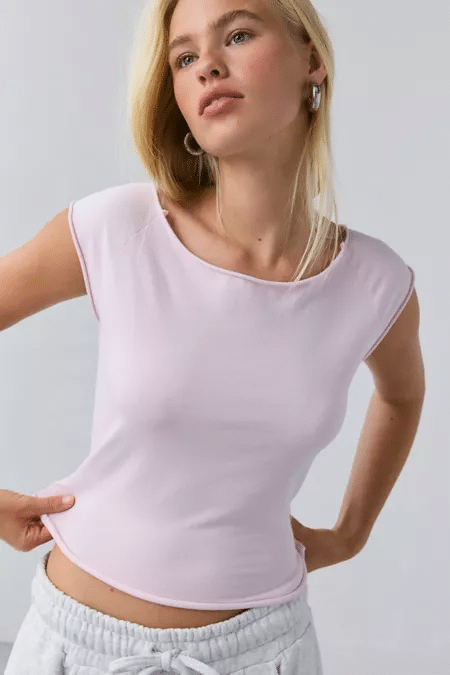
T-shirts are the foundation of many loungewear collections. They are easy to wear, simple to produce, and suitable for almost every season. A soft T-shirt can be worn alone, layered under a cardigan, paired with joggers, or styled with lounge pants.
Common options include:
- crew neck T-shirts
- oversized tees
- cropped tees
- long sleeve tees
- relaxed jersey tops
For loungewear, the fabric hand feel matters more than heavy design details. Cotton jersey, cotton-modal blends, and lightweight stretch fabrics are often used because they feel soft against the skin.
4. Tank Tops and Camisoles
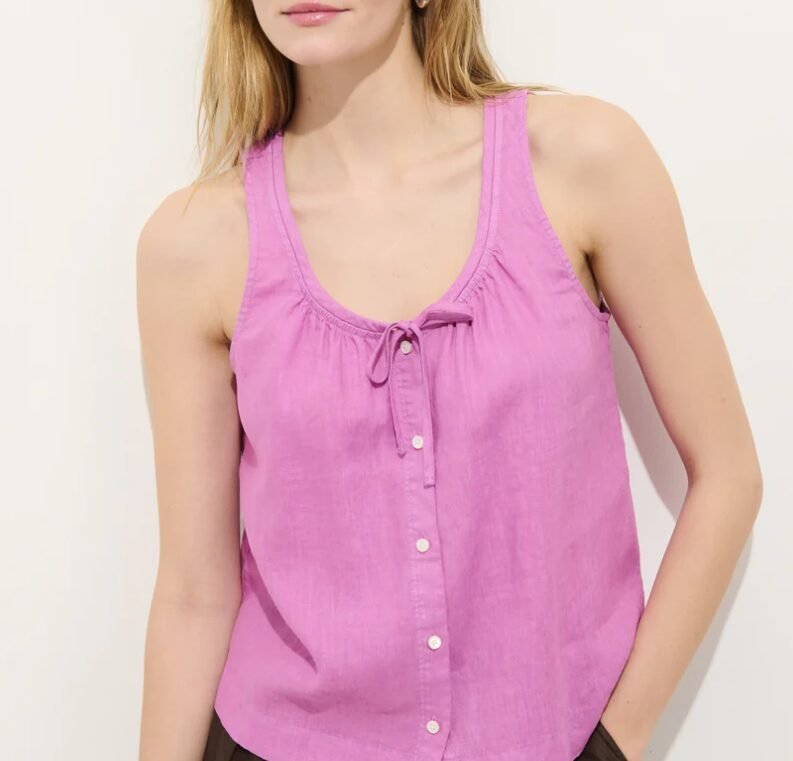
Tank tops and camisoles are lightweight loungewear pieces that work well for warm weather, layering, and sleepwear-inspired outfits. They are often paired with shorts, lounge pants, robes, or lightweight cardigans.
Basic tanks give a clean everyday look, while ribbed tanks add texture and better shape retention. Camisoles usually feel softer and more delicate, making them suitable for pajama-inspired sets or feminine lounge collections.
5. Hoodies and Sweatshirts
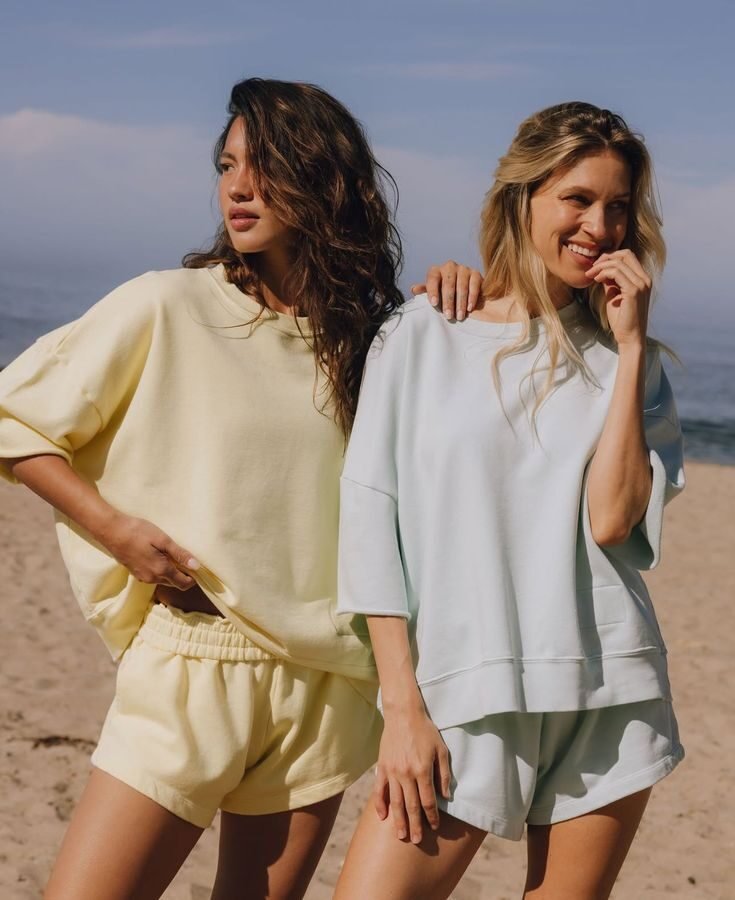
Hoodies and sweatshirts bring a cozy, casual feel to loungewear. They are especially popular for travel, weekend outfits, working from home, and colder-weather collections. Hoodies usually feel more relaxed and sporty, while sweatshirts offer a cleaner look that is easy to pair with joggers, lounge pants.
Common styles include:
- pullover hoodies
- zip-up hoodies
- oversized hoodies
- cropped hoodies
- crewneck sweatshirts
- fleece sweatshirts, and
- French terry sweatshirts
For brands, this category is practical because it can fit different price points and customer groups.
6. Jumpsuits and Rompers
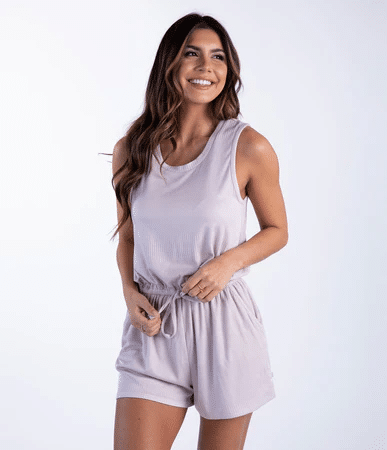
Jumpsuits and rompers are one-piece loungewear styles that offer comfort with an easy, ready-to-wear look. A jumpsuit usually has a longer leg, while a romper is shorter and more suitable for warm weather, sleepwear-inspired styling, or relaxed summer collections.
For women’s loungewear brands, jumpsuits and rompers can add variety to a collection without moving too far away from comfort-focused dressing.
7. Joggers
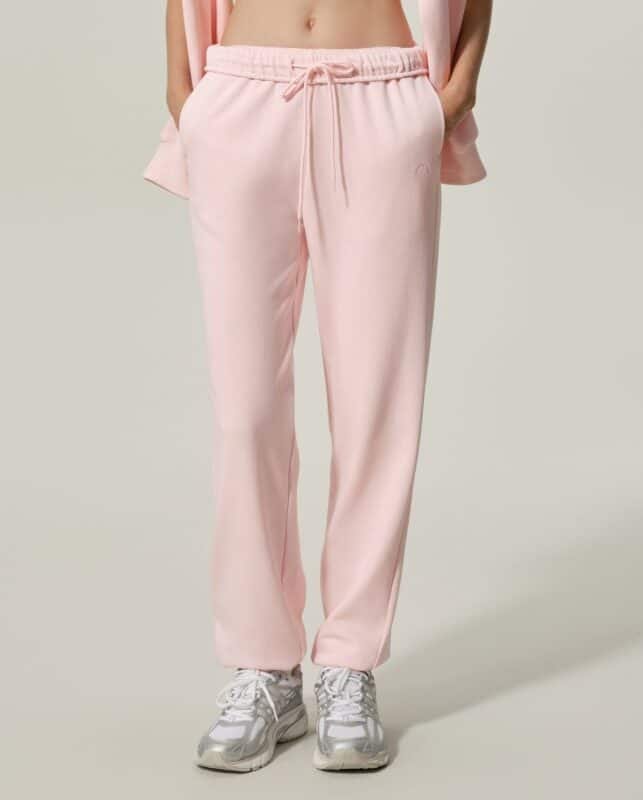
Joggers are a key bottom style in modern loungewear. They usually feature an elastic waistband, drawstring, and ankle cuffs, giving them a more fitted shape than regular lounge pants
Joggers are popular because they are comfortable but still structured enough to wear outside the home. They pair naturally with hoodies, sweatshirts, T-shirts, tanks, and matching tops.
8. Lounge Pants
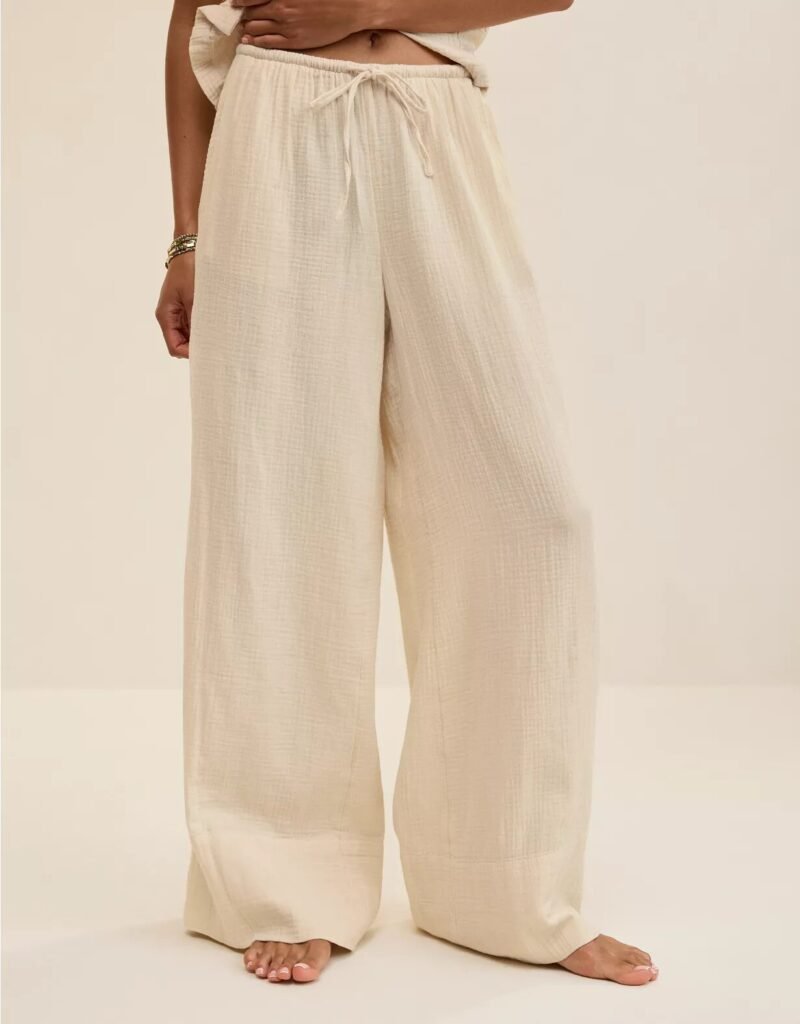
Lounge pants are usually more relaxed than joggers. Instead of ankle cuffs, they have a straight-leg or wide-leg shape, which gives them a softer and more effortless feel.
Common styles include wide-leg lounge pants, straight-leg lounge pants, ribbed lounge pants, drawstring pants, and pajama-style pants. They are ideal for homewear, travel, relaxed daily dressing, and resort-inspired collections.
9. Lounge Dresses
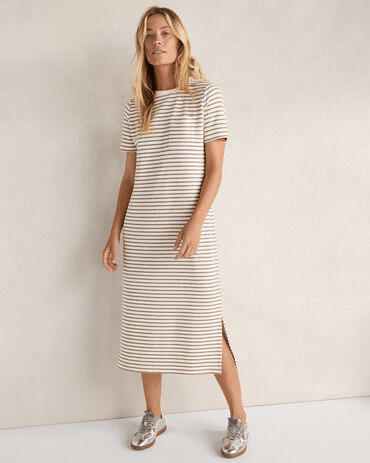
Lounge dresses bring comfort into a one-piece silhouette. They are easy to wear and can feel more stylish than separates, especially for warm weather, travel, or casual weekends.
A good lounge dress should feel soft and easy to move in, but still have enough shape to avoid looking like oversized sleepwear.
10. Robes and Cardigans
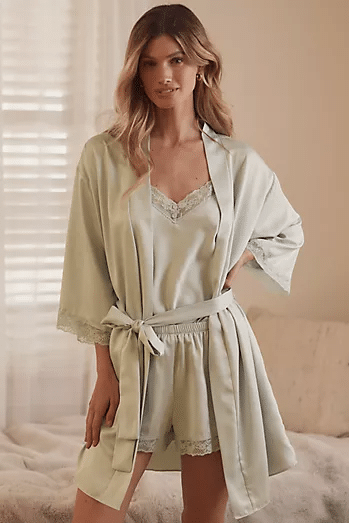
Robes and cardigans add a layering element to loungewear collections. They are often worn over pajama sets, camisoles, or lounge dresses.
Robes can feel spa-inspired, cozy, or lightweight depending on fabric and cut. Cardigans offer a more versatile layering option and can be worn both at home and outside.
Common Materials Used in Loungewear
The comfort of loungewear depends heavily on fabric. Even a simple T-shirt can feel very different depending on fiber content, fabric weight, stretch, drape, and surface finish.
Cotton and Cotton Blends
Cotton is one of the most familiar materials for loungewear. It feels breathable, soft, and natural, making it suitable for T-shirts, pajama sets, and basic tops. Cotton blends can improve stretch, durability, or wrinkle resistance depending on the added fibers.
Linen and Linen Blends
Linen and linen blends are popular for lightweight loungewear. Linen is breathable and has a natural texture, giving garments a casual but refined look.
But pure linen can wrinkle easily, so many brands use linen-cotton, linen-viscose, or linen-rayon blends to improve softness, drape, and everyday wearability.
Modal and Viscose Blends
Modal and viscose blends are often used for softer and smoother loungewear pieces. They usually have better drape than regular cotton, which makes them suitable for pajama sets, camisoles, lounge pants, lightweight sets. These fabrics are popular when you wants a softer hand feel and more fluid silhouette.
French Terry
French terry is a practical choice for sweatshirts, hoodies, joggers. It has a smooth face and looped back, offering comfort without feeling as heavy as fleece. It works well for transitional weather and everyday casual loungewear.
Fleece
Fleece is best for colder-weather loungewear. It provides warmth, softness, and a cozy feel, making it suitable for winter hoodies, sweatpants, robes, and cold-season lounge sets.
Rib Knit
Rib knit is popular for fitted tops, tank dresses. Its stretch and texture make loungewear look more shaped and styled. It is especially useful for pieces that need comfort but still benefit from a closer fit.
Waffle Knit
Waffle knit has a textured surface and a relaxed look. It is often used for robes, lounge tops, spa-inspired sets, and homewear. The texture gives simple garments more visual interest without relying on prints or heavy design details.
What Should Consider When Developing Loungewear?
For clothing brands, developing loungewear is not only about choosing soft garments. The product needs to match the customer, season, price point, and intended use.
Fabric Choice
Different loungewear styles need different fabrics. Cotton jersey works well for T-shirts and basic tops, while modal and viscose blends are better for soft pajama sets, camisoles, and draped lounge pants.
Fit and Comfort
Loungewear should feel relaxed, but it should not look shapeless. Brands need to pay attention to shoulder width, sleeve length, waistband comfort, garment length, fabric stretch, and size grading.
A loose fit does not always mean a good fit. A well-developed lounge piece should allow movement while still keeping the right proportion on the body.
Season and Product Positioning
Spring and summer collections usually work better with lightweight jersey, modal,and breathable fabrics. Fall and winter collections may need French terry, fleece, or heavier cotton blends.
Collection Planning
A good loungewear collection should not feel random. Brands can start with core products such as T-shirts, lounge sets, joggers, and lounge pants, then add seasonal pieces such as robes, cardigans, lounge dresses, or resort-inspired styles.
FAQs About Types of Loungewear
Sleepwear is mainly designed for sleeping, while loungewear covers a wider range of relaxed clothing for home, travel, casual errands, and everyday comfort.
Yes. Many modern loungewear styles can be worn outside, especially lounge sets, hoodies, sweatshirts, joggers, lounge pants, and lounge dresses.
The best loungewear outfit is usually one that feels comfortable but still looks put together. A matching lounge set is one of the easiest options because the top and bottom already work together.
The silhouette of 2026 is relaxed, draped, and intentionally oversized. Tight and restrictive clothing continues to fade as comfort and movement take priority.
Conclusion
Loungewear works best when it feels effortless. The right pieces should make daily dressing easier, not more complicated—soft enough for quiet moments at home, but refined enough to carry into travel, weekends, and casual routines.
If you are planning to develop custom loungewear for your brand, contact us to discuss fabrics, styles, sampling, and production options.