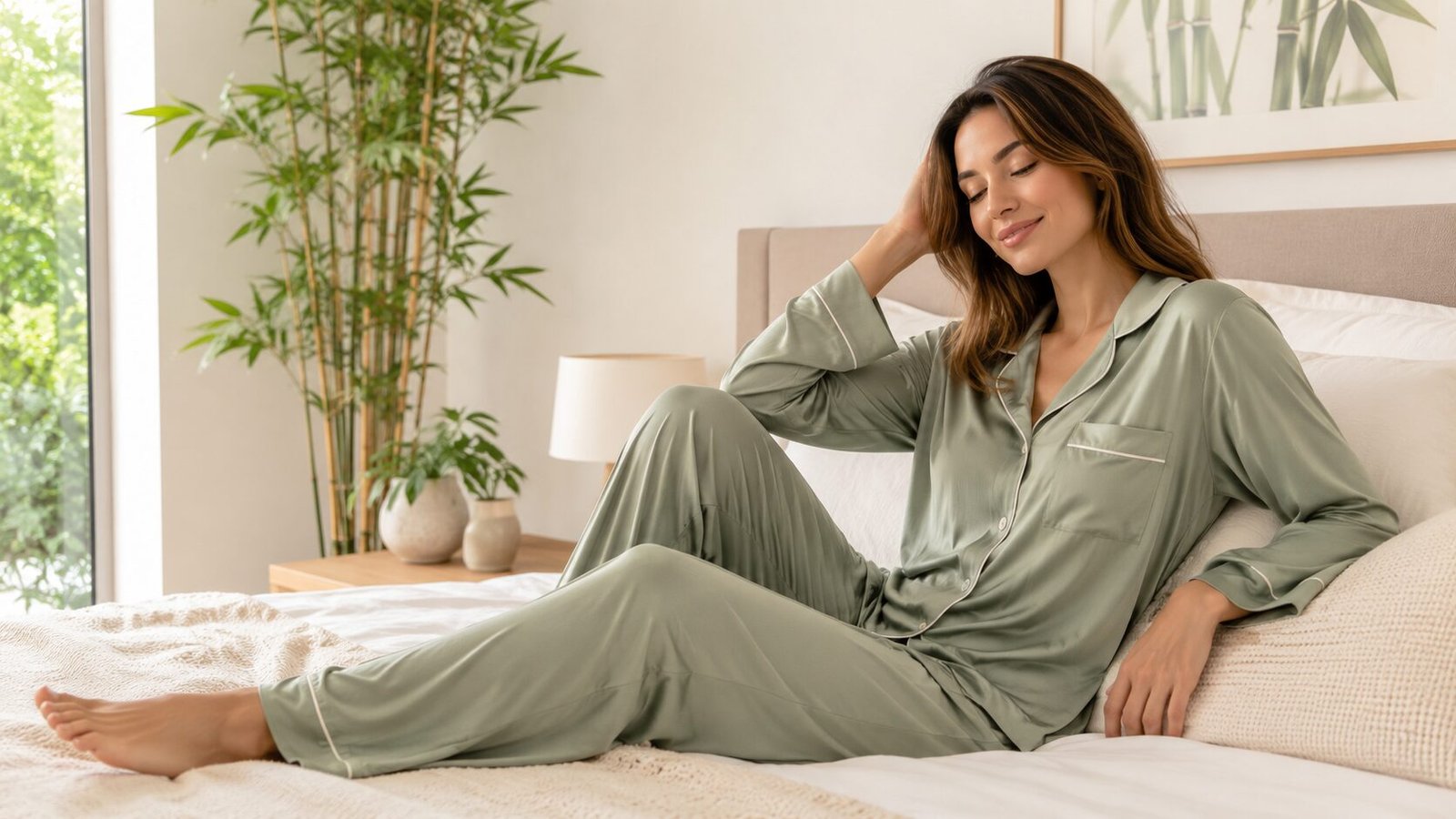
We spend about a third of our lives in bed, so it makes sense that we are getting pickier about what we wear to sleep. Over the past few years, a quiet revolution has been happening in the nightwear drawer. Traditional cotton are losing ground to a surprising newcomer: bamboo fabric.
If you have spent any time browsing sleepwear brands lately, you’ve likely noticed bamboo everywhere. But is this just another passing internet trend, or is there actual substance behind the hype?
Let’s break down the real reasons why bamboo pajamas are becoming the new gold standard for a good night’s rest.
What Are Bamboo Pajamas?
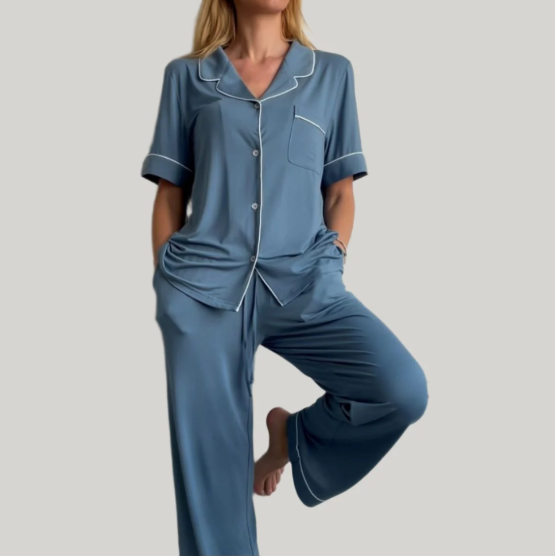
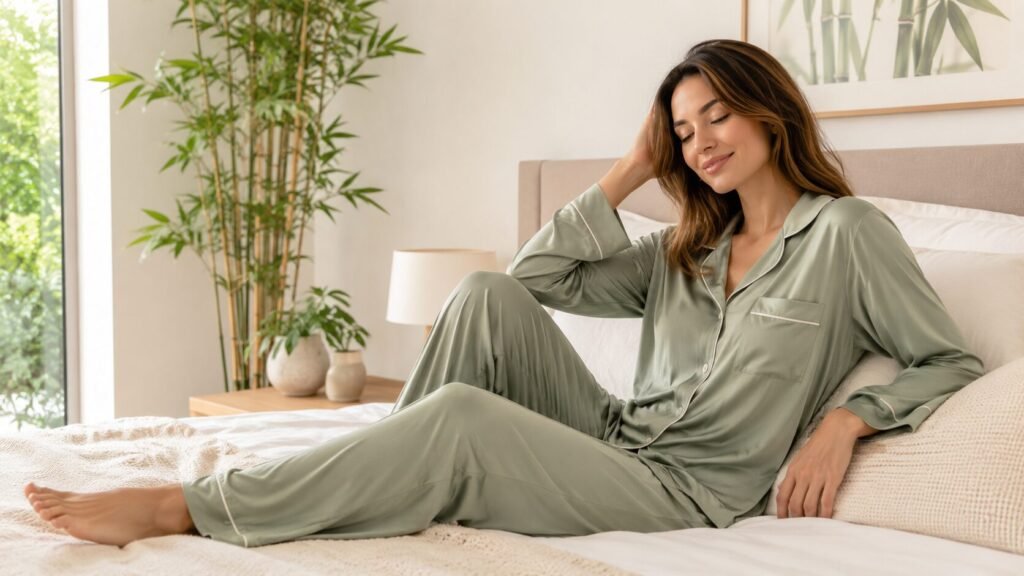
Simply put, bamboo pajamas are nightwear made from fabrics derived from the bamboo plant. However, you aren’t wearing stiff, woody stalks to bed. Through a specialized manufacturing process, the natural cellulose from fast-growing bamboo is harvested and transformed into an incredibly soft, fluid textile—usually referred to as bamboo viscose, rayon, or modal.
The result is a material that feels like a premium hybrid of silk and cashmere, but with the durability and easy care of everyday cotton. Because bamboo grows incredibly fast without needing heavy chemical pesticides or massive amounts of water, it has also captured the attention of eco-conscious shoppers looking for more mindful lifestyle choices.
Why Are They So Popular?
The massive shift toward bamboo sleepwear isn’t just clever marketing. The fabric possesses natural structural characteristics that solve the most common complaints people have about traditional nightwear:
1. Temperature Regulation
The number one enemy of deep sleep is overheating. Your body temperature needs to drop slightly to fall asleep and stay asleep. This is where bamboo truly shines, acting almost like a smart, natural air conditioner for your skin.
- Micro-gaps in the fiber: On a microscopic level, bamboo fibers are filled with tiny holes. This means air moves through them incredibly easily, letting your skin breathe.
- Wicking away sweat: Bamboo doesn’t just absorb moisture; it pulls sweat away from your body and lets it evaporate into the air. Cotton, by comparison, absorbs moisture but holds onto it.
2. Buttery Softness
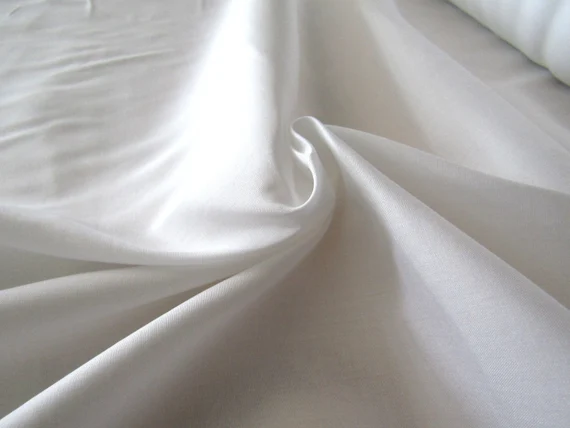
People often describe high-quality bamboo pajamas as a mix between silk and cashmere, but without the high maintenance.
Bamboo viscose fibers are naturally very long and perfectly smooth, with no sharp spurs to irritate the skin. Because the fibers are naturally smooth, the fabric feels incredibly silky right out of the box. It doesn’t need heavy chemical softeners to feel good, and it actually gets softer every time you wash it.
3. Eczema & Allergy-Friendly

If you struggle with eczema, allergies, or easily irritated skin, what you wear to bed matters immensely.
Because bamboo fabric keeps you dry and cool, it stops the classic sweat-and-friction cycle that triggers skin flare-ups. It sits gently against the skin without rubbing, making it a favorite for children and adults with sensory sensitivities or skin conditions.
4. Durability
Investing in good sleepwear shouldn’t mean replacing it after three trips through the washing machine. Bamboo is surprisingly tough despite its delicate, soft feel.
- Pilling Resistance: Cheap polyester and even some cotton blends start forming those annoying little fabric fuzz-balls (pills) after a few washes. Bamboo resists pilling, keeping its smooth look for years.
- Stretch and Recovery: Good bamboo sleepwear usually includes a tiny hint of spandex. This gives it a beautiful, fluid drape that flatters any body type and moves with you when you toss and turn, rather than twisting around your limbs.
Is Bamboo Better Than 100% Cotton?
For decades, 100% cotton was the undisputed king of standard sleepwear. While high-quality cotton is still a good choice, bamboo outperforms it in several key performance categories that directly impact how deeply you sleep.
| Feature | Bamboo Pajamas | 100% Cotton Pajamas |
| Feel & Texture | Buttery-soft, silky drape, naturally smooth right away. | Crisp or soft depending on weave; can feel stiff initially. |
| Moisture Management | Pulls sweat away from skin and lets it evaporate rapidly. | Absorbs moisture but holds onto it, leaving fabric damp. |
| Thermal Regulation | Adapts to body temperature; excellent for hot sleepers. | Reasonably breathable but traps ambient heat more easily. |
| Durability & Pilling | Highly elastic fibers resist pilling and retain shape longer. | Can shrink in high heat and may develop pills over time. |
The biggest difference lies in how they handle moisture. When you sweat in cotton pajamas, the fabric absorbs the wetness and holds it against your skin, causing you to wake up feeling chilled or clammy.
Bamboo pulls the moisture away and dries rapidly, keeping your body temperature perfectly balanced all night long.
Disadvantages of Bamboo Pajamas
To give an honest breakdown, it is important to acknowledge that bamboo fabric isn’t entirely perfect. There are a few downsides to keep in mind before clearing out your closet:
Higher Initial Cost: Due to the multi-step process required to turn bamboo into a soft textile, these pajamas generally carry a higher price tag than basic cotton or polyester options.
Longer Drying Time: Because the fabric is incredibly dense and excellent at holding water during the wash cycle, it can take slightly longer to air dry or tumble dry compared to thin synthetics.
Fussy Care Instructions: To prevent shrinking and pilling, bamboo pajamas generally require cold-water washes and air-drying (using a hot dryer can cause them to shrink significantly).
What to Consider Before Buying
If you are ready to try your first pair, keep these practical shopping tips in mind to ensure you get the best value:
- Check the Fabric Blend: Look for pajamas with around 95% bamboo viscose (or rayon/modal) and 5% spandex. The spandex is crucial—it gives the pajamas their signature stretch, allowing them to move with you as you toss and turn without twisting around your body.
- Fabric Weight (GSM): Pay attention to the thickness. A lower GSM (around 160-180) is ultra-lightweight and perfect for hot summer months, while a mid-weight fabric (200-240 GSM) offers a bit more substance for year-round wear.
- Sizing Flow: Bamboo pajamas are naturally very stretchy and drape loosely over the body. If you prefer a snug fit, you can often size down; if you love a classic, relaxed pajama feel, stick to your standard size.
How to Care for Bamboo Pajamas
Investing in premium sleepwear means you want it to last. Fortunately, keeping your bamboo pajamas in pristine, buttery-soft condition doesn’t require dry cleaning—just a few simple adjustments to your normal laundry routine:
- Wash Cold: Always use cold water on a gentle or delicate cycle. Hot water can break down the fibers over time and cause unnecessary wear.
- Turn Inside Out: Flipping your pajamas inside out before throwing them in the machine protects the smooth outer finish from rubbing against zippers, buttons, or rough textures of other clothes.
- Use Mild Detergent: Avoid harsh chemical bleach or fabric softeners. Fabric softeners actually coat the fibers and can reduce the natural breathability and moisture-wicking properties of the bamboo.
- Dry with Low Heat: Air drying flat is the absolute best way to preserve the fabric. If you must use a dryer, choose the lowest heat setting or an air-fluff cycle to prevent shrinkage and fiber damage.
Conclusion
At the end of the day, the massive rise of bamboo pajamas comes down to a shift in how we view wellness. Sleep is no longer just something we do when the day is over—it is a vital pillar of health.
Consumers are looking for products that actively improve their sleep quality, and brand are realizing that offering a superior sleep experience is the only way to stand out. Bamboo checks every single box: it keeps you cool, treats your skin with respect, lasts a long time, and feels incredibly luxurious.
Switching to bamboo isn’t just about buying new pajamas; it’s about upgrading your night’s rest.