Starting a private label Loungewear brand is one of the most practical ways to enter the fashion market without owning a factory or building a full production team. You can create products under your own brand name, customize labels and packaging, and work with a manufacturer to handle sampling and bulk production.
But a successful launch takes more than choosing trendy styles. You need a clear market position, the right product category, realistic MOQ planning, reliable manufacturing support, and quality control from the first sample to final shipment.
This guide walks through the key steps to help new and growing brands start a private label women’s clothing line with fewer mistakes.
1. Define Your Brand Positioning First
Before contacting a manufacturer, you need to know what kind of women’s clothing brand you want to build. This decision affects your product range, pricing, and marketing.
Your positioning should answer three questions:
- Who are you selling to?
- What problem or desire does your clothing solve?
- Why should customers choose your brand instead of another one?
For example, a loungewear brand focus on soft fabrics, relaxed fits, neutral colors, and comfort for daily wear. A resortwear brand focus on breathable fabrics, easy silhouettes, and vacation-ready pieces. A casual basics brand focus on T-shirts, hoodies, tank tops, and matching sets that customers can wear repeatedly.
Clear positioning helps you avoid creating a random collection. It also helps your manufacturer understand the look, fit, and quality level you want.
2. Research the Market Before Choosing Products
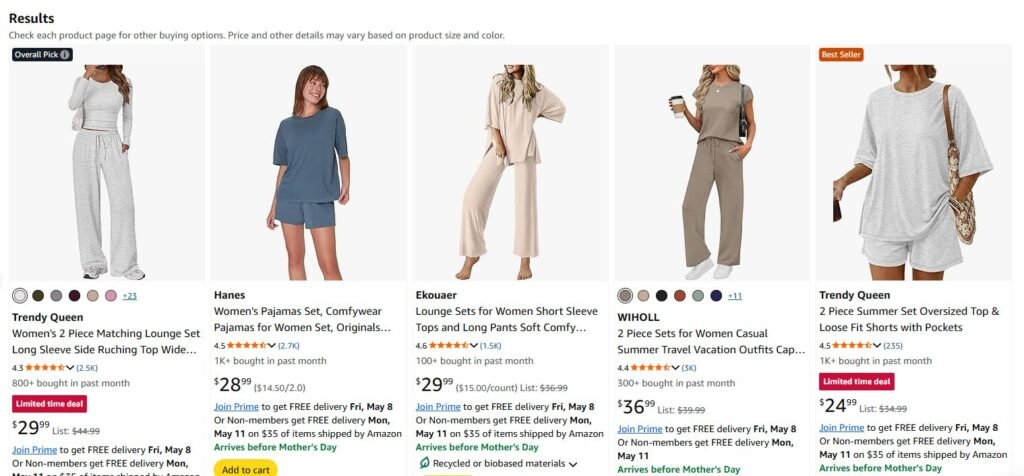
Market research does not need to be complicated, but it does need to be honest. Many new brands choose products based only on personal taste. That can work in some cases, but a better approach is to study what customers already buy, what competitors offer, and where the market still has gaps.
Research your competitors:
- Bestselling products
- Price range
- Fabric descriptions
- Size options
- Customer reviews
- Product photos
- Color choices
- Shipping and return policies
Customer reviews are especially useful. They show real buyer frustrations, such as thin fabric, poor fit, see-through materials, uncomfortable waistbands, weak stitching. These complaints can help you build better products from the beginning.
You should also pay attention to repeatable categories. Women’s clothing trends change quickly, but some products remain commercially strong season after season, such as T-shirts, hoodies, lounge sets, pajama sets, ribbed tops, casual dresses, and resortwear pieces.
3. Choose a Focused First Collection
One of the most common mistakes new clothing brands make is launching too many styles at once. A large first collection may look exciting, but it increases sampling costs, production risk, inventory pressure.
For your first collection, it is usually better to start with a focused range of 3 to 6 styles.
For loungewear collection could include:
- relaxed t shirt
- Lounge pants
- pajama set
- robe
- lightweight shirt
- matching set
The goal is not to offer everything. The goal is to launch a small collection that clearly represents your brand and can be produced well. Simple, wearable products often perform better for a first launch than highly complicated designs.
4. Prepare Your Design Details
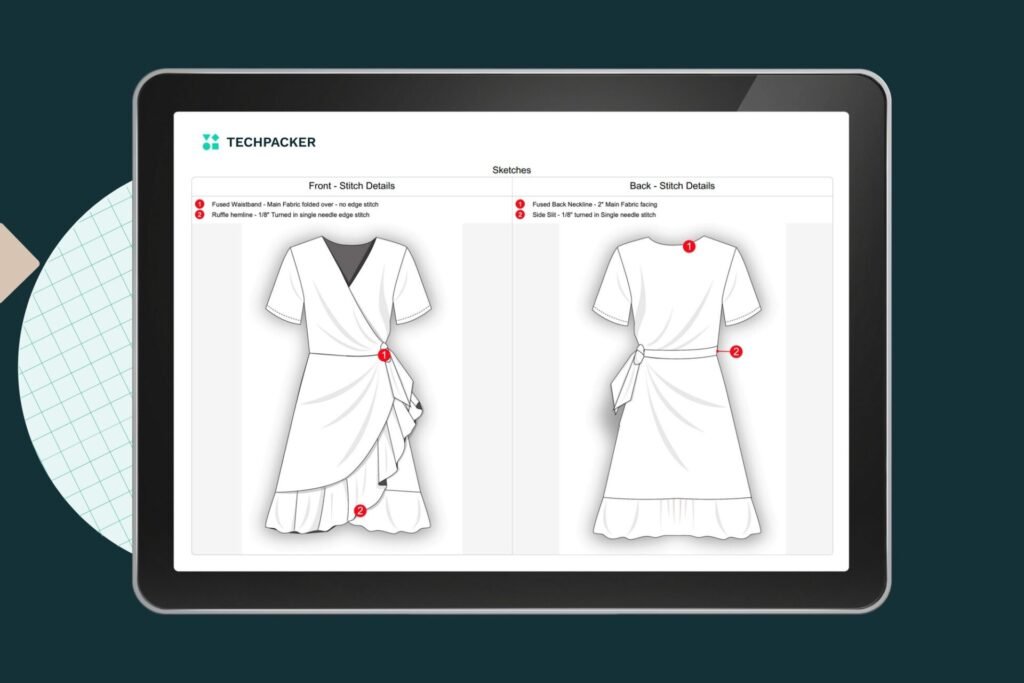
You do not always need a complete tech pack before contact with a manufacturer, but you do need clear design direction. The more accurate the information you provide, the less likely errors are to occur during production.
Prepare the following details before development:
- Reference photos
- Style descriptions
- Fabric preferences
- Color ideas
- Size range
- Logo placement
- Label and packaging requirements
If you do not have one, an experienced manufacturer can often help organize your ideas into production-ready details.
Avoid vague instructions such as “make it premium” or “same as the picture.” Instead, explain what you want to keep, what you want to change, and what quality level you expect.
5. Find the Right Loungewear Manufacturer
Your manufacturer is not just a supplier. Choosing the wrong partner can lead to delays, poor quality, unclear pricing, and production mistakes.
When comparing manufacturers, pay attention to their experience in your product category. A factory that mainly produces structured jackets may not be the best choice for soft loungewear. A supplier that understands knit fabrics, casualwear, will usually give better suggestions.
Ask potential manufacturers about::
- Product categories they specialize in
- MOQ per style and color
- Sample lead time
- Bulk production time
- Fabric sourcing options
- Custom label and packaging support
- Quality control process
- Previous similar products
- Communication process during production
Do not choose only based on the lowest price. Low production cost can become expensive if the garments arrive with poor stitching, wrong measurements, weak fabric.
6. Develop Samples Before Bulk Production
Sampling is one of the most important stages in starting a clothing brand. It allows you to check the real overall quality before investing in bulk production.
A normal sample development process includes:
- First sample development
- Fit review
- Revision comments
- Second sample or corrected sample
- Final sample approval
- Bulk production confirmation
For Loungewear, fit is especially important. It is helpful to test samples on real people close to your target customer size. This gives you more practical feedback than judging only from a flat product photo.
7. Plan MOQ, Pricing, and Budget Carefully
MOQ
MOQ stands for minimum order quantity. MOQ can vary depending on style, fabric, color, trims, printing, dyeing.
When requesting a quote, provide clear information. The manufacturer usually needs to know:
- Style design
- Fabric type and weight
- Order quantit
- Number of colors
- Size range
- Logo method
- Label requirements
- Packaging details
- Any special washing or finishing process
Launch Budget
Your launch budget should include more than garment production. Many new brands only calculate the unit cost and forget the other expenses.
You should also budget for:
- Sample fees
- Sample shipping
- Bulk production deposit
- Custom labels
- Packaging
- International shipping
- Import duties or taxes
- Product photography
- Website setup
- Marketing
- Returns and replacements
A smaller, well-planned first order is usually safer than a large order with too many untested styles. Once you know what sells, you can reorder and expand with better data.
8. Confirm Quality, Packaging, and Launch Preparation
Before bulk production starts, confirm every detail in writing. This includes approved sample, fabric, color, measurements, size breakdown, label placement, packaging, quantity, payment terms, and delivery timeline.
Quality control should happen before shipment, not only after products arrive. Reliable clothing factory will to check fabric defects, measurements, stitching, loose threads, label accuracy, packaging, and quantity.
Launch Preparation
At the same time, prepare your sales and marketing materials before the products arrive. You will need product photos, size charts, descriptions, website pages, social media content, email marketing, and launch promotions.
For women’s clothing, strong visuals are essential. Customers want to see how the garment fits, moves, and styles with other pieces. Use clean product photos, lifestyle images, close-up fabric shots, and short videos if possible.
FAQs
The cost depends on product type, MOQ, fabric, sampling, packaging, shipping, and marketing. A simple small collection with basic styles costs less than a fully custom collection with special fabrics, prints, or packaging.
A tech pack is helpful, but it is not always required at the beginning. If you do not have one, you can start with reference photos, fabric ideas, size requirements, and design notes.
Yes. Most private label clothing manufacturers can support custom neck labels, care labels, hang tags, woven labels, logo printing, embroidery, and packaging.
In general, sample development may take around 1-2 weeks , while bulk production usually takes about 4-6 weeks after the sample is approved and the deposit is confirmed.
For a smoother launch, brands should plan the production schedule early and leave enough time for sample revisions, quality checks, and shipping.
Conclusion
Starting a private label loungewear brand is not just about putting your logo on garments. It is about building a product line that fits your customer, reflects your brand identity, and can be produced consistently.
A small, well-developed collection is often stronger than a large collection with weak direction. When your first products are built carefully, you can test the market, learn from customer feedback, and expand with more confidence.